
Albertina

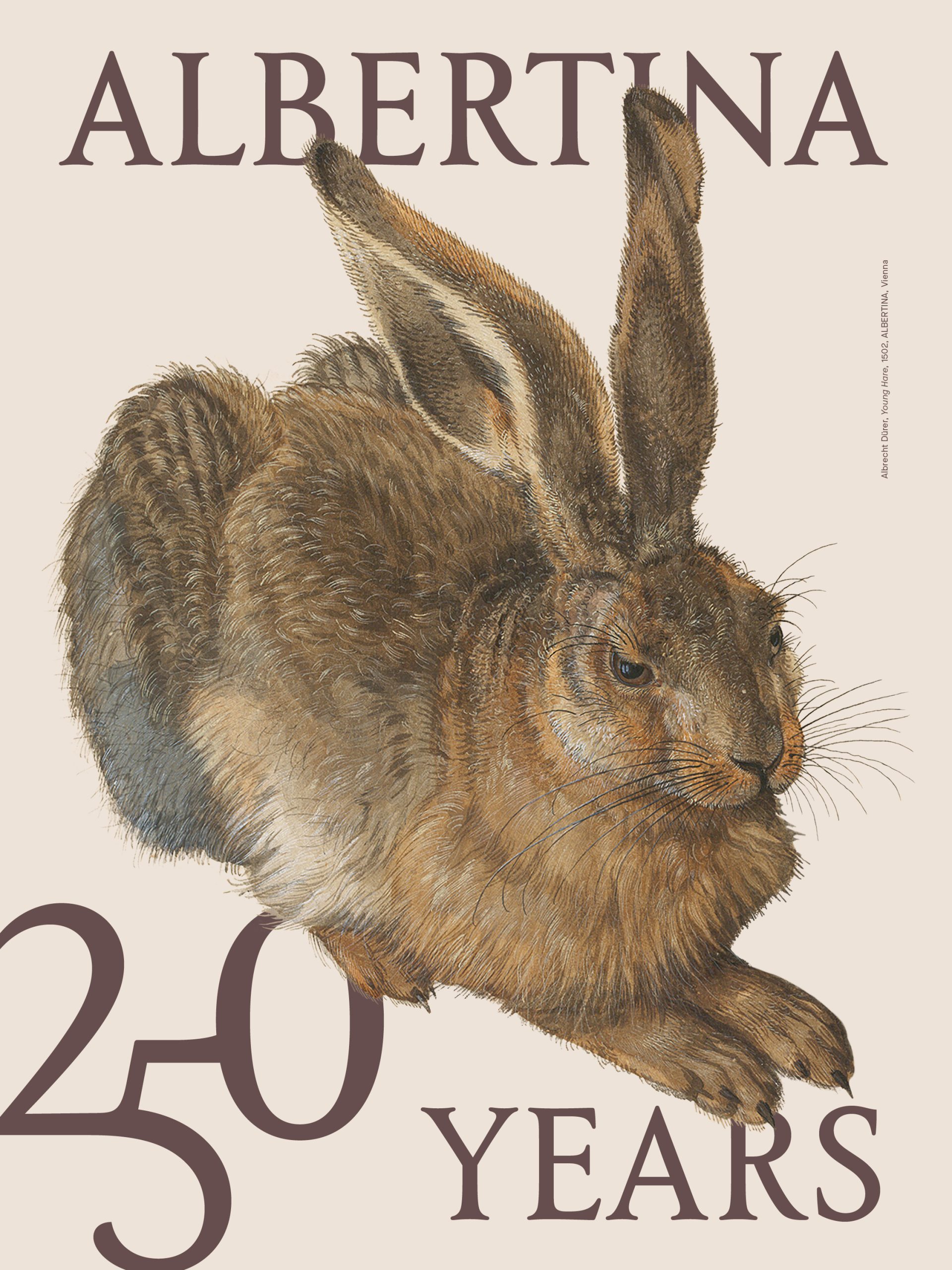
MAY 11 - SEPTEMBER 25, 2026
The ALBERTINA Museum: Celebrating 250 Years
General Opening Hours: Monday to Friday from 2pm – 5pm or by appointment via mail to new-york-kf@bmeia.gv.at
Austrian Cultural Forum New York
11 East 52nd Street, New York
ABOUT THE EXHIBITION
“This year, the ALBERTINA Museum in Vienna celebrates its 250th anniversary. To mark the occasion, the museum honors its rich legacy and shares its vision for the future through a traveling presentation shown in selected cities worldwide at Austrian Cultural Forums.”
Dr. Ralph Gleis, Director General of The ALBERTINA Museum, Vienna
The Austrian Cultural Forum New York is pleased to present The ALBERTINA Museum: Celebrating 250 Years, an exhibition honoring the rich legacy of the famed Viennese museum while sharing its vision for the future. Founded in 1776, the museum, which ranks as one of the world’s leading institutions for graphic art as well as a major universal museum of international renown, reflects a continuous commitment to collecting, preserving, and presenting art across centuries, an ethos that remains central to its mission today.
THE ALBERTINA AND NEW YORK
The ALBERTINA shares a multifaceted history with the city, dating back not least to its founding day on 4 July 1776 — the very day on which the American Declaration of Independence was signed. The ALBERTINA and the United States of America therefore celebrate the same birthday. The Declaration of Independence was drafted by Thomas Jefferson, who, like Duke Albert of Saxe-Teschen, was a Freemason. The two met in Paris in 1786, when Jefferson was accredited as envoy to France. It was also Duke Albert who acquired the oldest known depiction of New York. The work was created between 1650 and 1654, when the city was still known as “New Amsterdam”.
In addition, the ALBERTINA has long maintained a lively exchange with New York’s leading museums. For example, when the museum found itself in a precarious financial situation after the First World War, it sold duplicate prints from its own holdings in order to finance new acquisitions. Some of the works that were sold entered the Department of Drawings and Prints at the Metropolitan Museum of Art, which had only been established in 1916 and, like the Albertina itself, subsequently developed into one of the world’s foremost collections of works on paper. To this day, the ALBERTINA maintains close relationships with New York museums, particularly through an active exchange of loans and mutual support, and is, for instance, one of the principal lenders to the Metropolitan Museum’s major exhibition on Raphael.
A Legacy of Vision and Enlightenment
The museum’s origins trace back to Prince Albert Casimir, Duke of Saxe-Teschen, and Archduchess Maria Christina of Austria. United by a shared passion for art and Enlightenment ideals, they established an encyclopaedic graphic art collection with the assistance of Count Giacomo Durazzo. Their acquisition of approximately 10,000 engravings in 1776 marks the founding moment of the Albertina. Following the end of the Habsburg monarchy in 1919, the collection became property of the Republic of Austria and was opened to the public. Despite significant damage to the building during World War II, the artworks were safeguarded, enabling the museum to reopen and flourish in the postwar era.
A World-Class Collection
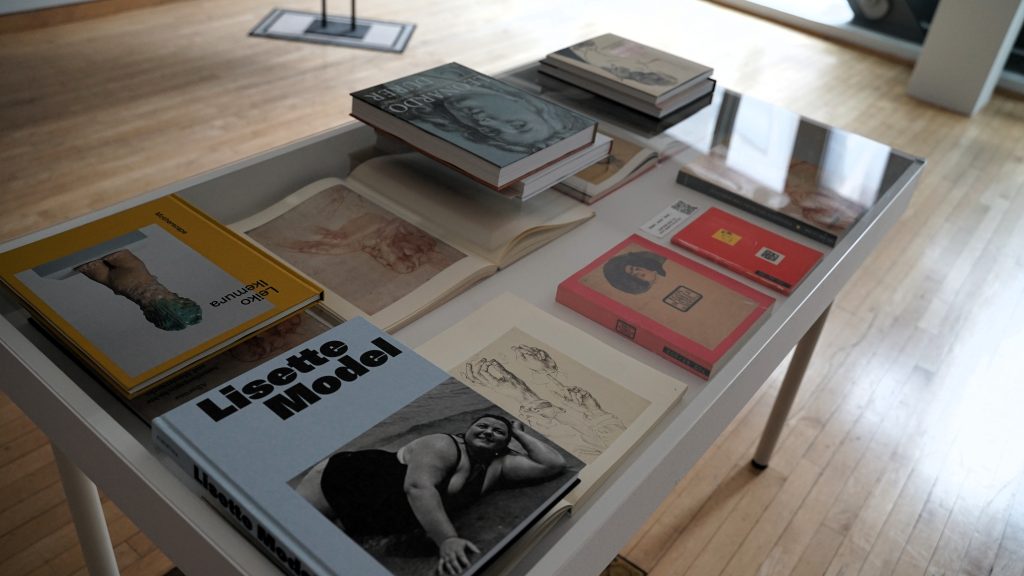
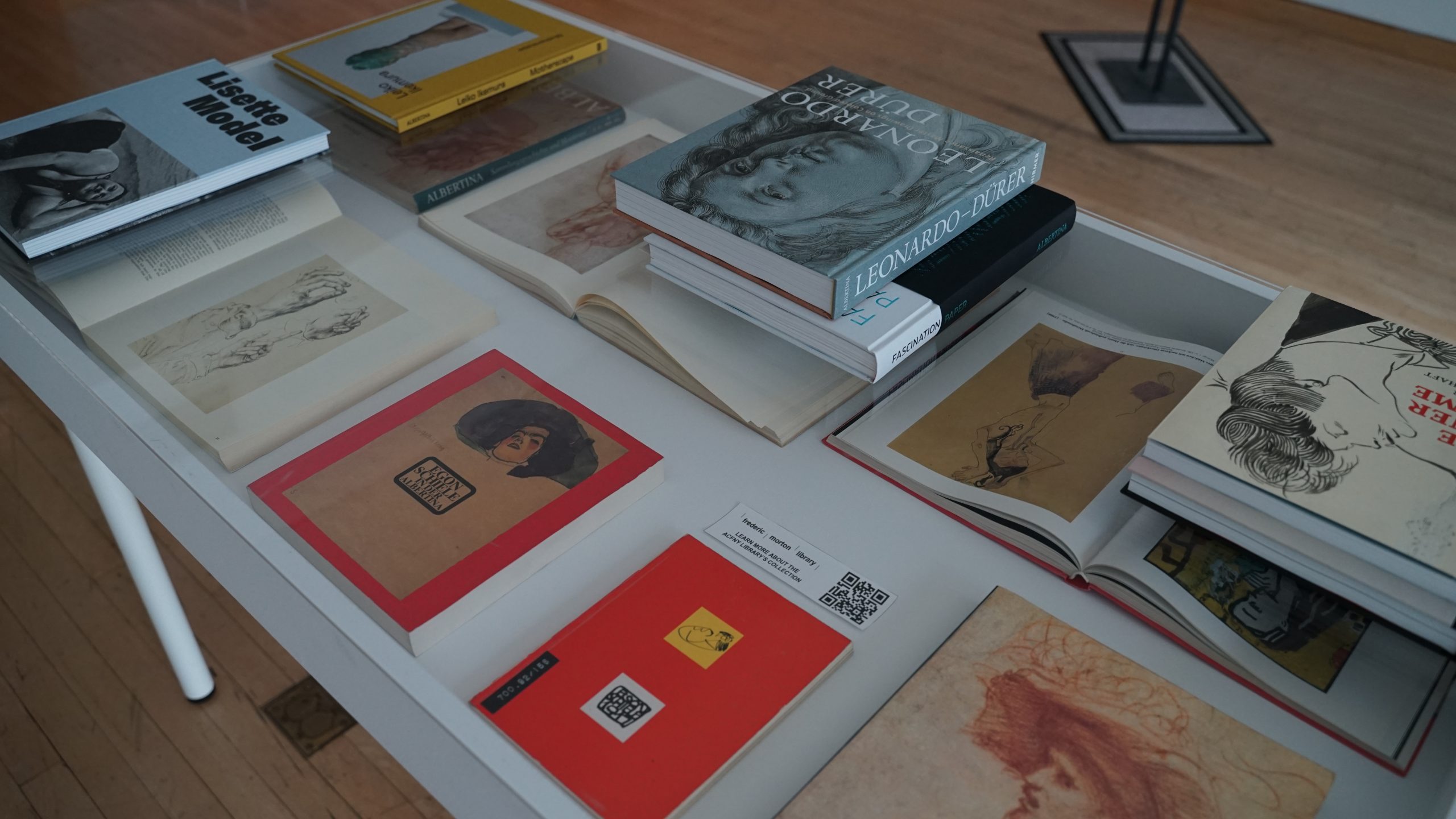
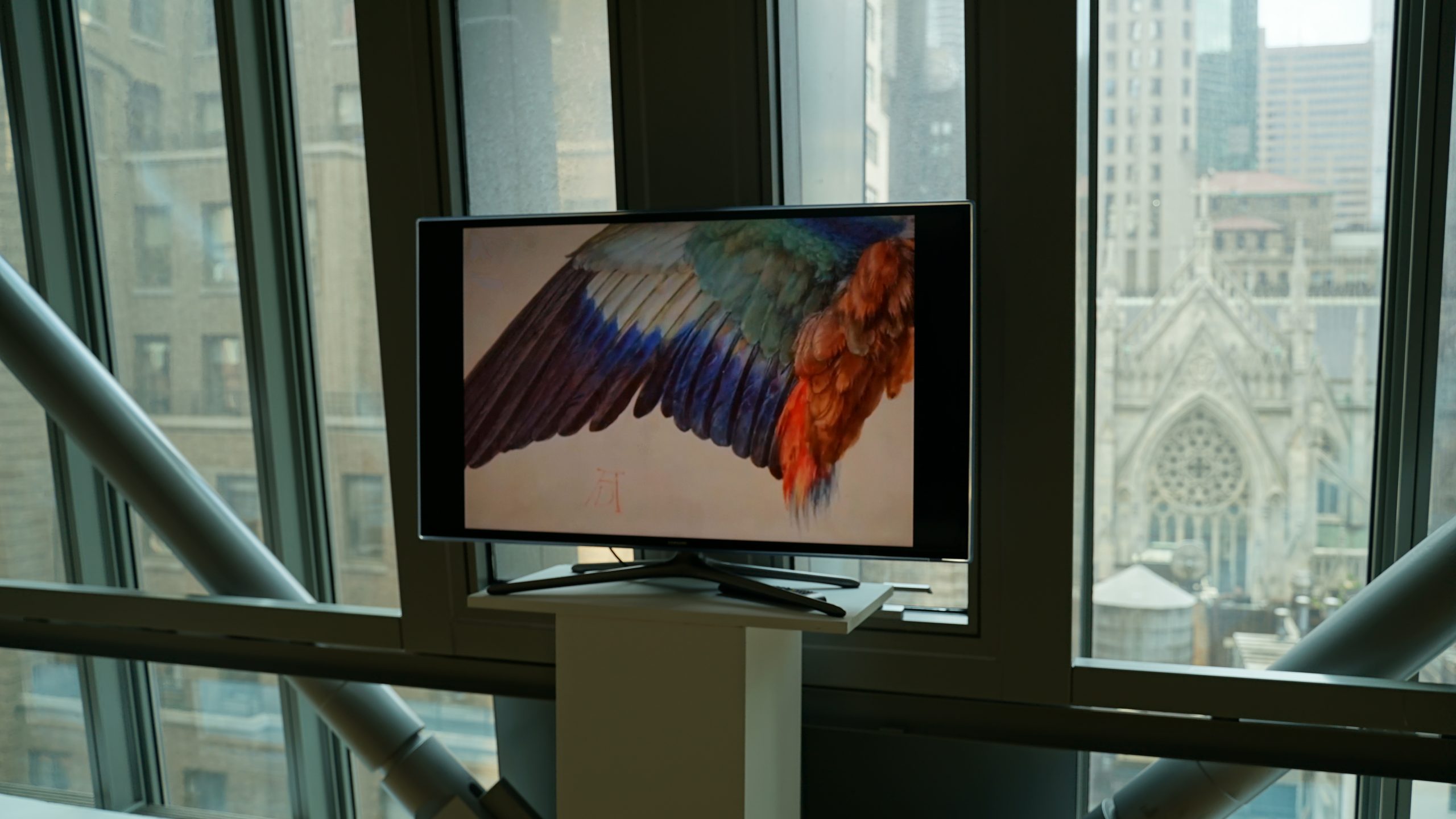
Today, the Albertina houses over one million works on paper, including master drawings by Dürer, Leonardo, Michelangelo, Raphael, Rembrandt, and Rubens. Expanded through major acquisitions and collections, such as that of Prince Eugene of Savoy—the holdings reflect both historical depth and artistic excellence. From the early twentieth century onward, the museum incorporated works by artists including Gustav Klimt, Käthe Kollwitz, and Egon Schiele. Since the 1980s, the Albertina has increasingly prioritized contemporary art, continuing its tradition of growth and relevance.
From Graphic Collection to Universal Museum
With more than 1.2 million objects, the Albertina has evolved into a comprehensive museum encompassing drawing, printmaking, photography, painting, sculpture, and installation. Its photography collection, established in 1999, now includes approximately 120,000 works and ranks among the most important internationally. The addition of painting and sculpture in 2007, along with major acquisitions such as the Essl Collection, has further expanded the museum’s scope to include contemporary and media art.
A Dynamic Cultural Institution
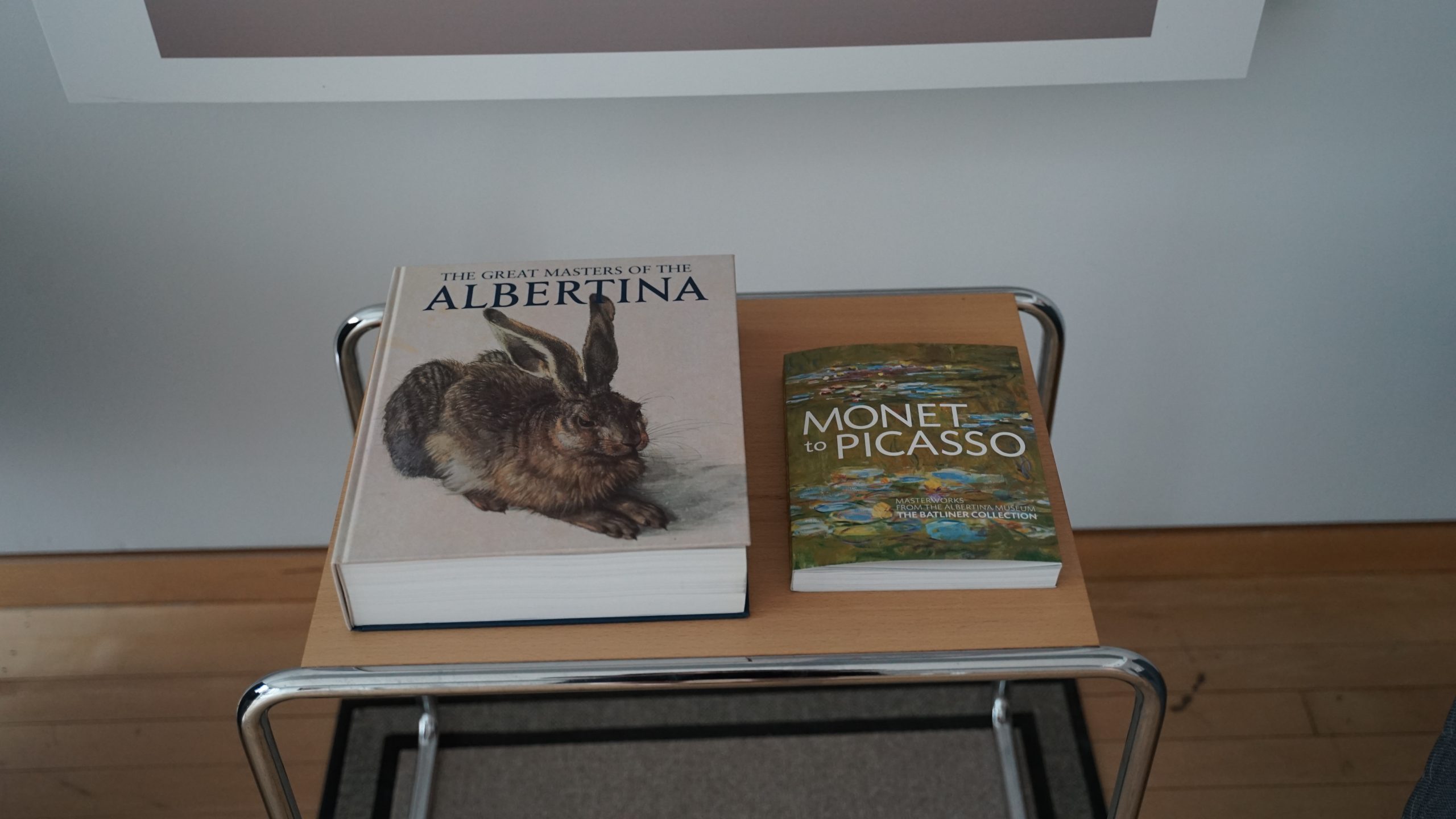
Welcoming approximately 1.3 million visitors annually, the Albertina is one of Austria’s most visited museums. Across 10,000 square metres of exhibition space, it presents around eighteen temporary exhibitions each year, spanning from the Gothic period to contemporary art. A permanent presentation of modern masterpieces—from Monet to Picasso—offers visitors a rich overview of twentieth-century art.
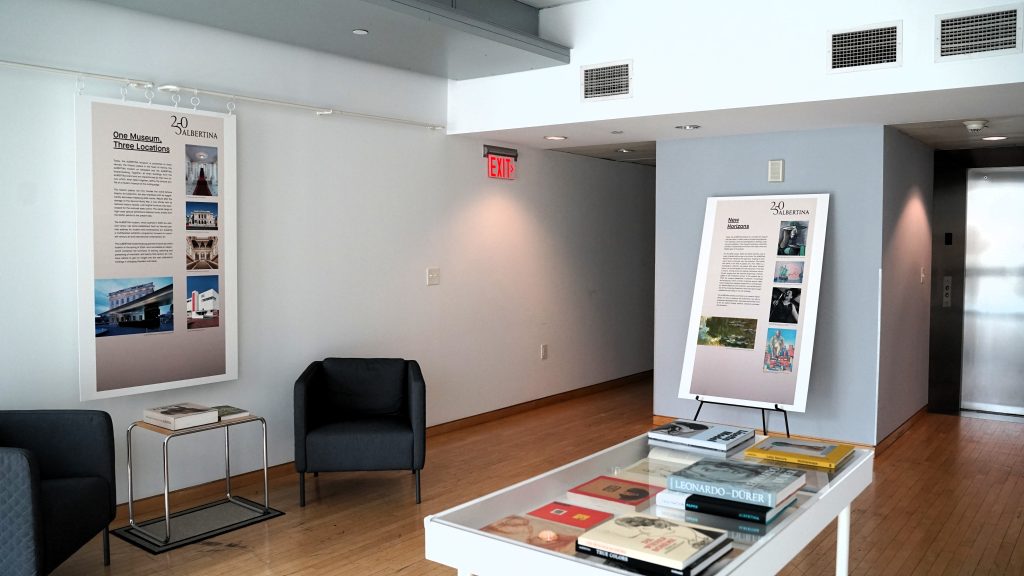
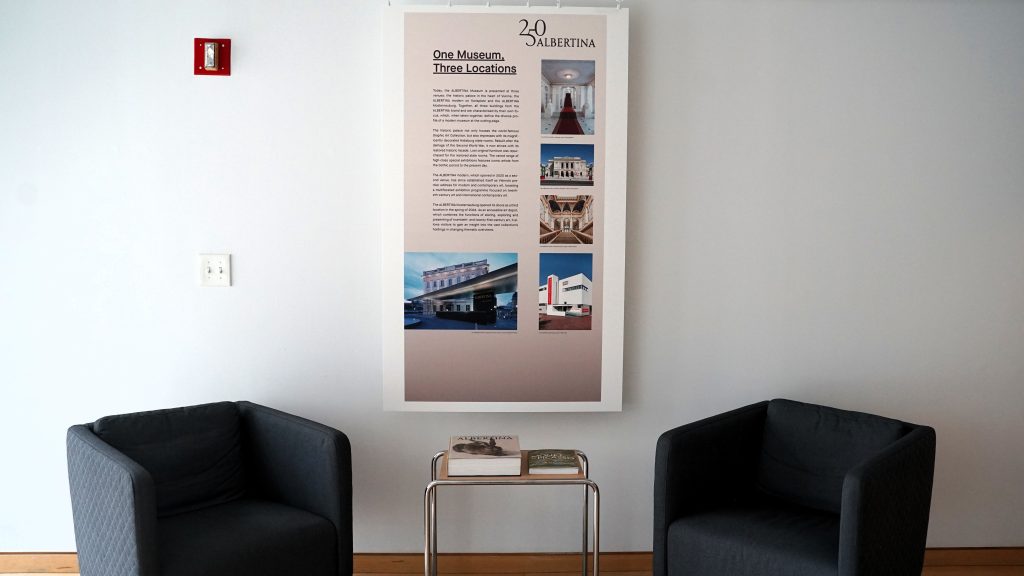
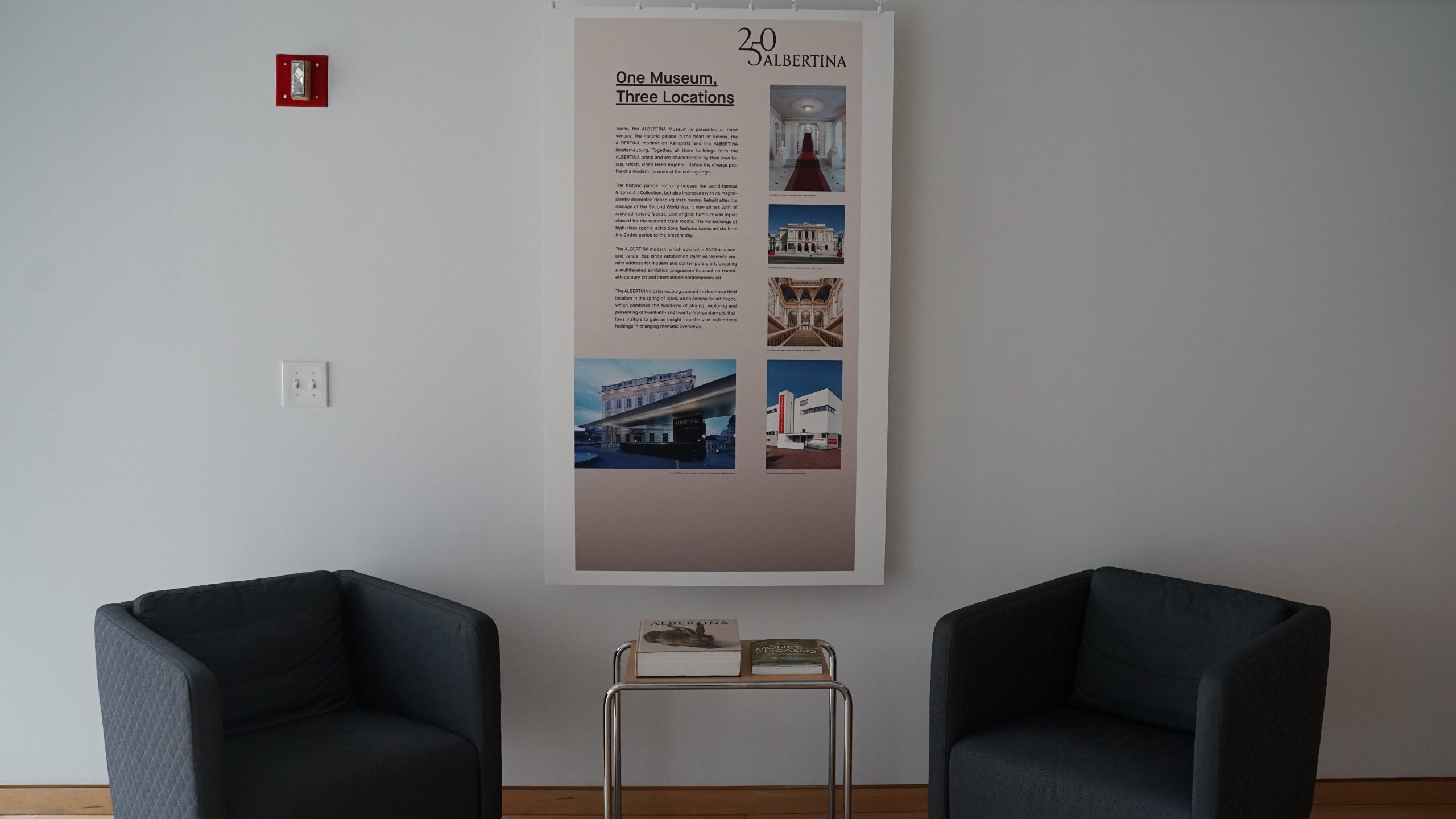
One Museum, Three Locations
Today, the Albertina operates across three venues: its historic palace in central Vienna, the Albertina Modern at Karlsplatz, and the Albertina Klosterneuburg. Together, these sites reflect a multifaceted institutional identity, combining tradition with innovation.
Open to All, Open to the Future
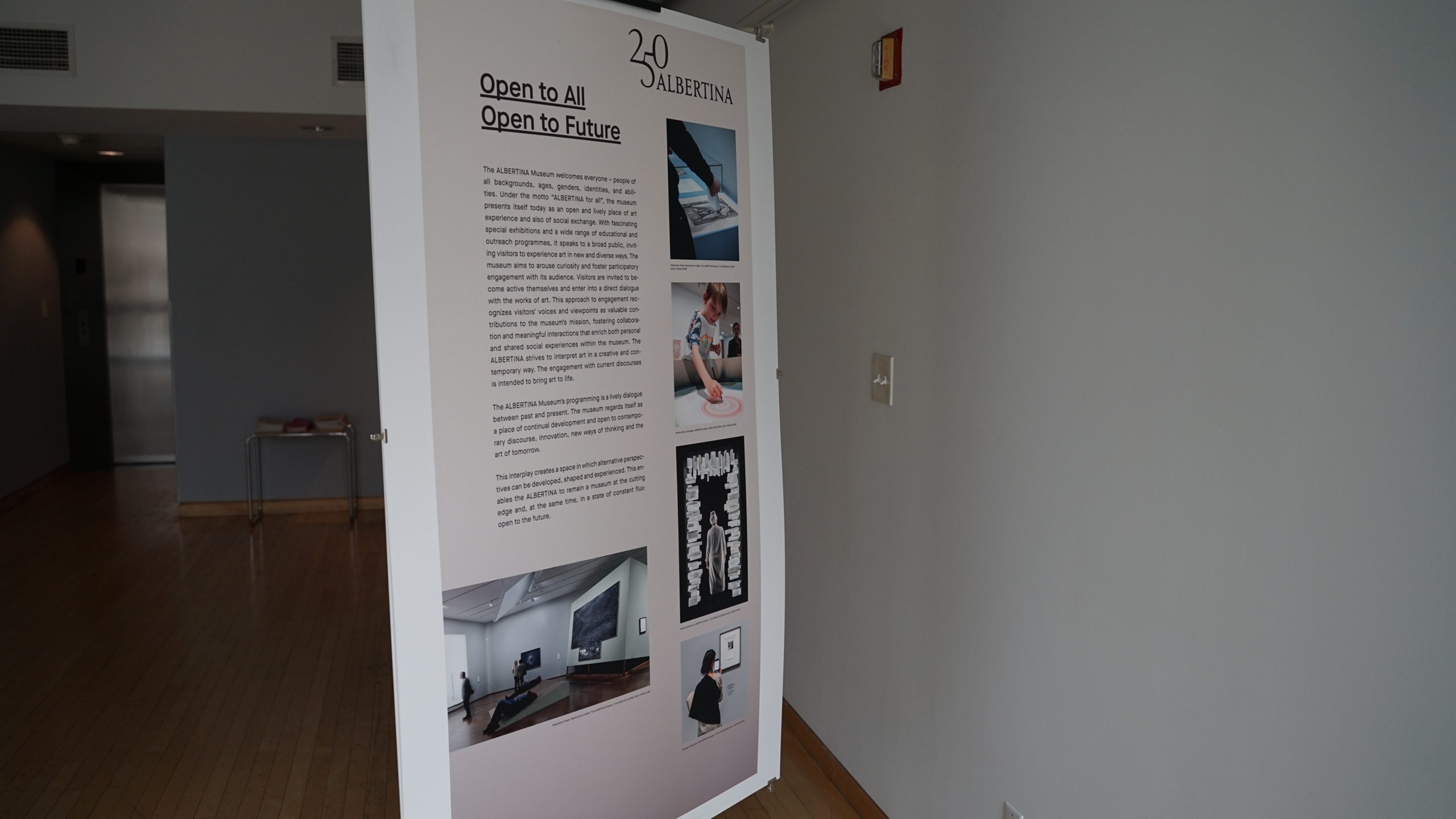
Guided by the principle “Albertina for all,” the museum fosters accessibility, dialogue, and participation. Through exhibitions, education, and public programs, it engages diverse audiences and encourages new ways of experiencing art. As it marks its 250th anniversary, the Albertina reaffirms its role as a living institution—bridging past and present while remaining open to the art and ideas of the future.
ACFNY
Dr. Susanne Keppler-Schlesinger: Director at the Austrian Cultural Forum New York is an Austrian career diplomat and has been working in the field of multilateral and bilateral diplomacy for more than 30 years. Her previous assignments include positions in Vienna, Paris and New York. She also served as Dep. Director of the Vienna School for International Studies/Diplomatische Akademie Wien. She holds a PhD in Musicology, French language and literature from the University of Vienna and a diploma as a concert pianist from the Vienna Conservatory of Music.
Dr. Stephanie Buhmann: Head of Visual Art, Architecture & Design at the Austrian Cultural Forum New York is a historian of art, architecture and design. She has written extensively on visual art and her essays have appeared in a variety of books, international art magazines, and newspapers. Besides curating dozens of exhibitions, she has conducted over ninety published interviews with contemporary artists. In 2013 she conceived of an ongoing Studio Conversations series, focused on women of different generations working in diverse media. Her latest monograph Frederick Kiesler: Galaxies was published in 2023 (The Green Box, Berlin). She was a contributing author and co-editor of Roma Artist Ceija Stojka: What Should I Be Afraid of?, a publication released by Hirmer Publishers and the Austrian Cultural Forum New York in January 2024.
Images: ACFNY