
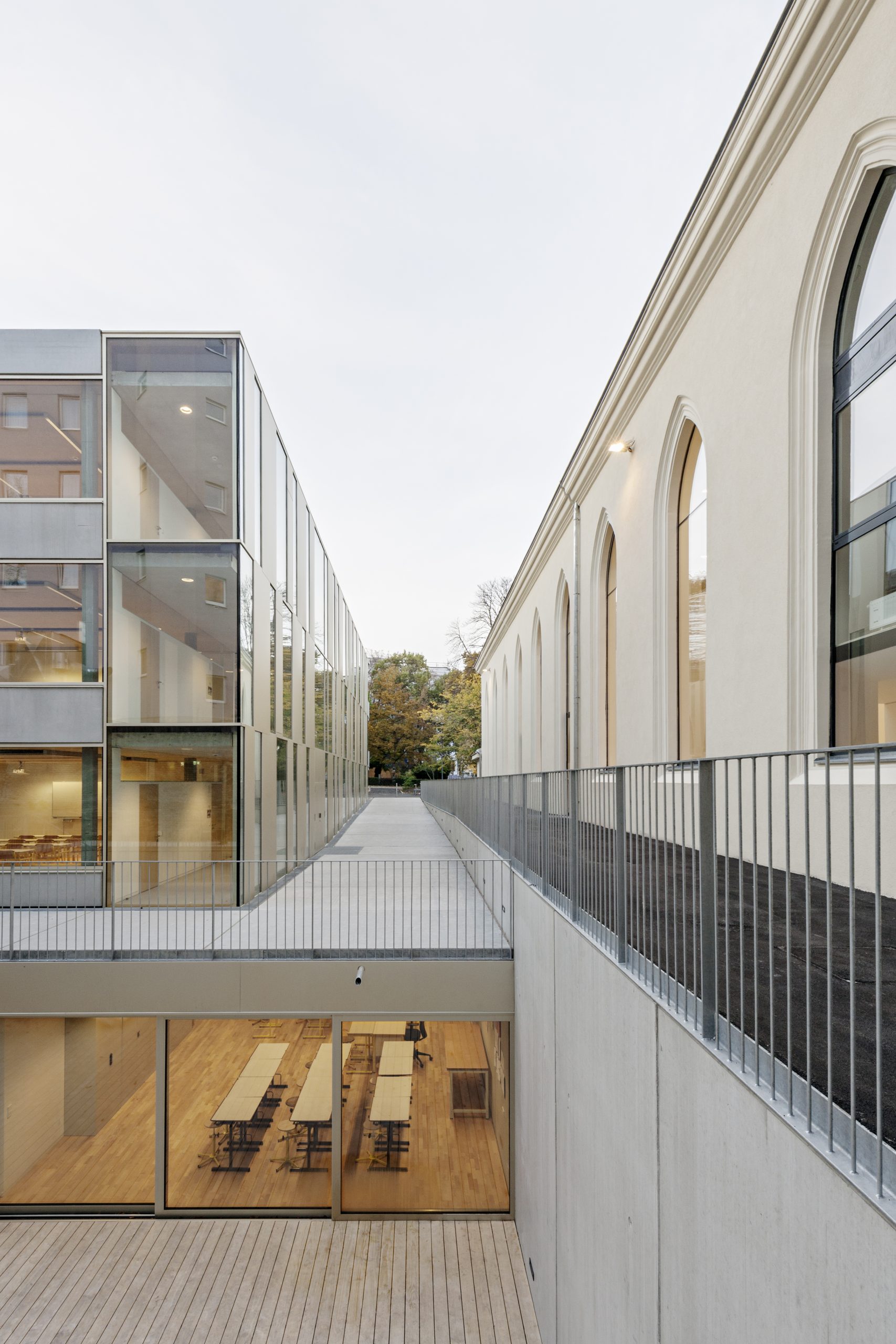
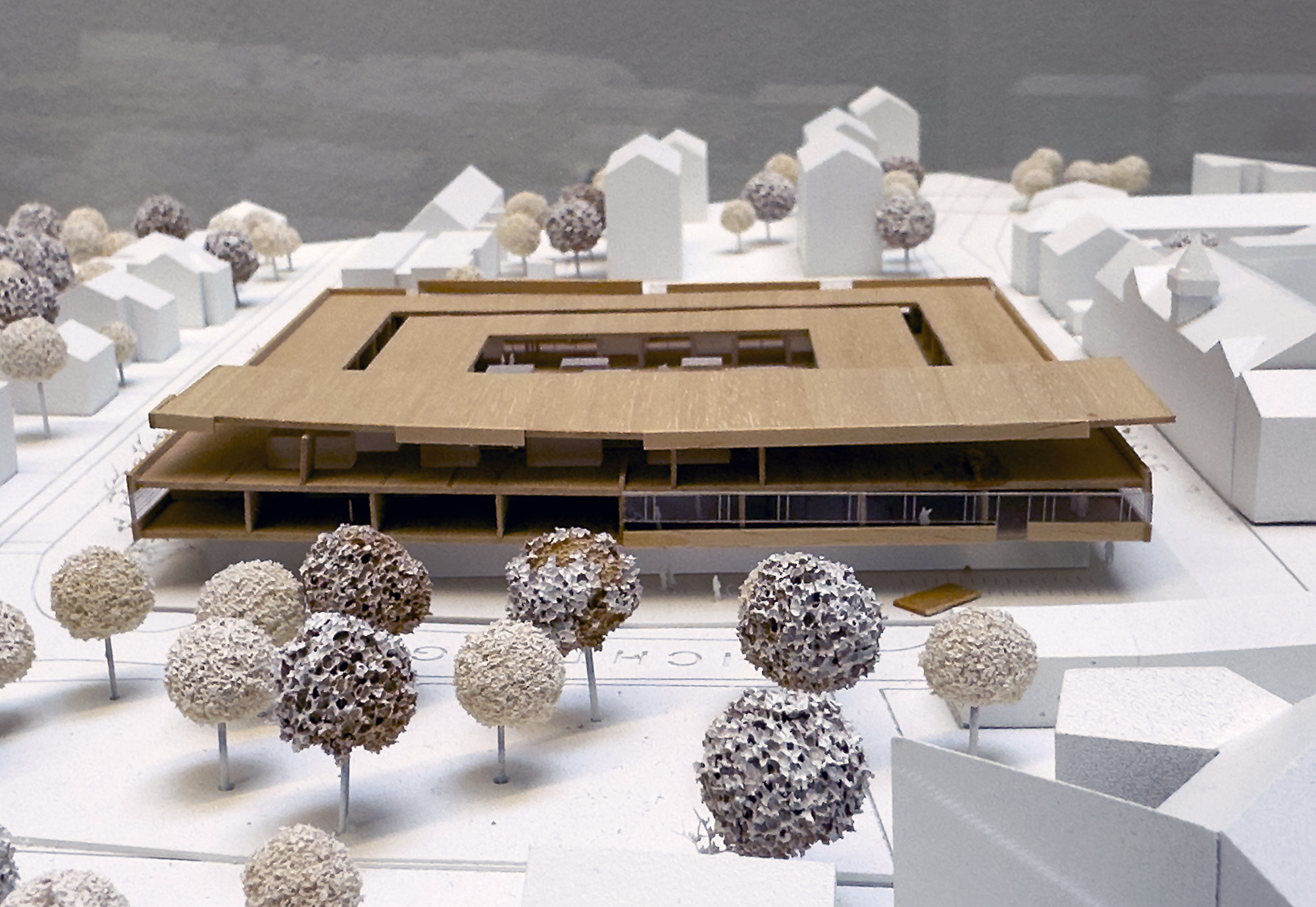
DIETMAR FEICHTINGER ARCHITECTES, School Extension in Vienna, 2010, Image: Hertha Hurnaus

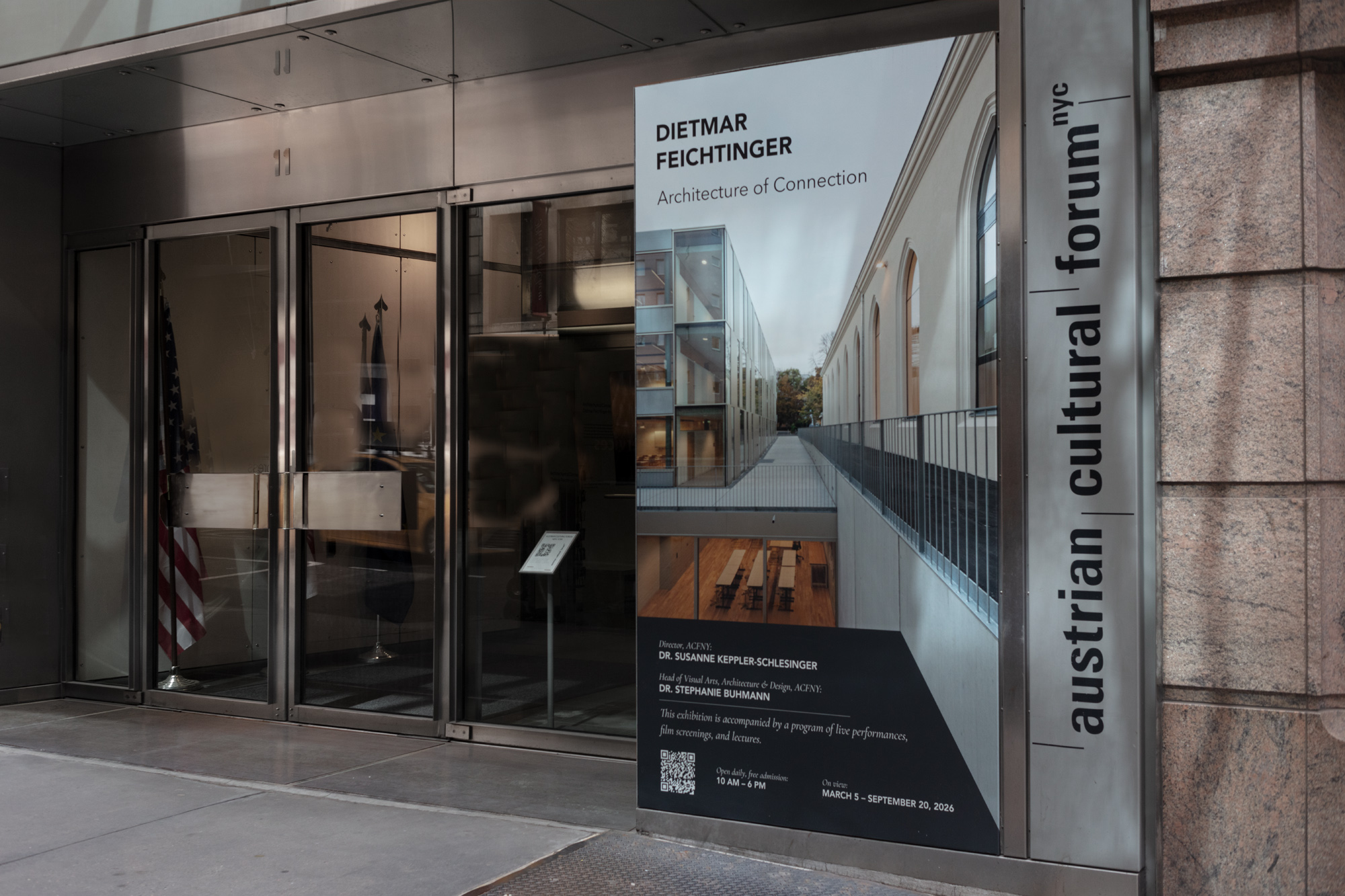
MARCH 5 - SEPTEMBER 20, 2026
Dietmar Feichtinger: Architecture of Connection
Open daily from 10am – 6pm
Austrian Cultural Forum New York
11 East 52nd Street, New York
Head of Visual Art, Architecture & Design, Dr. Stephanie Buhmann
ABOUT THE EXHIBITION
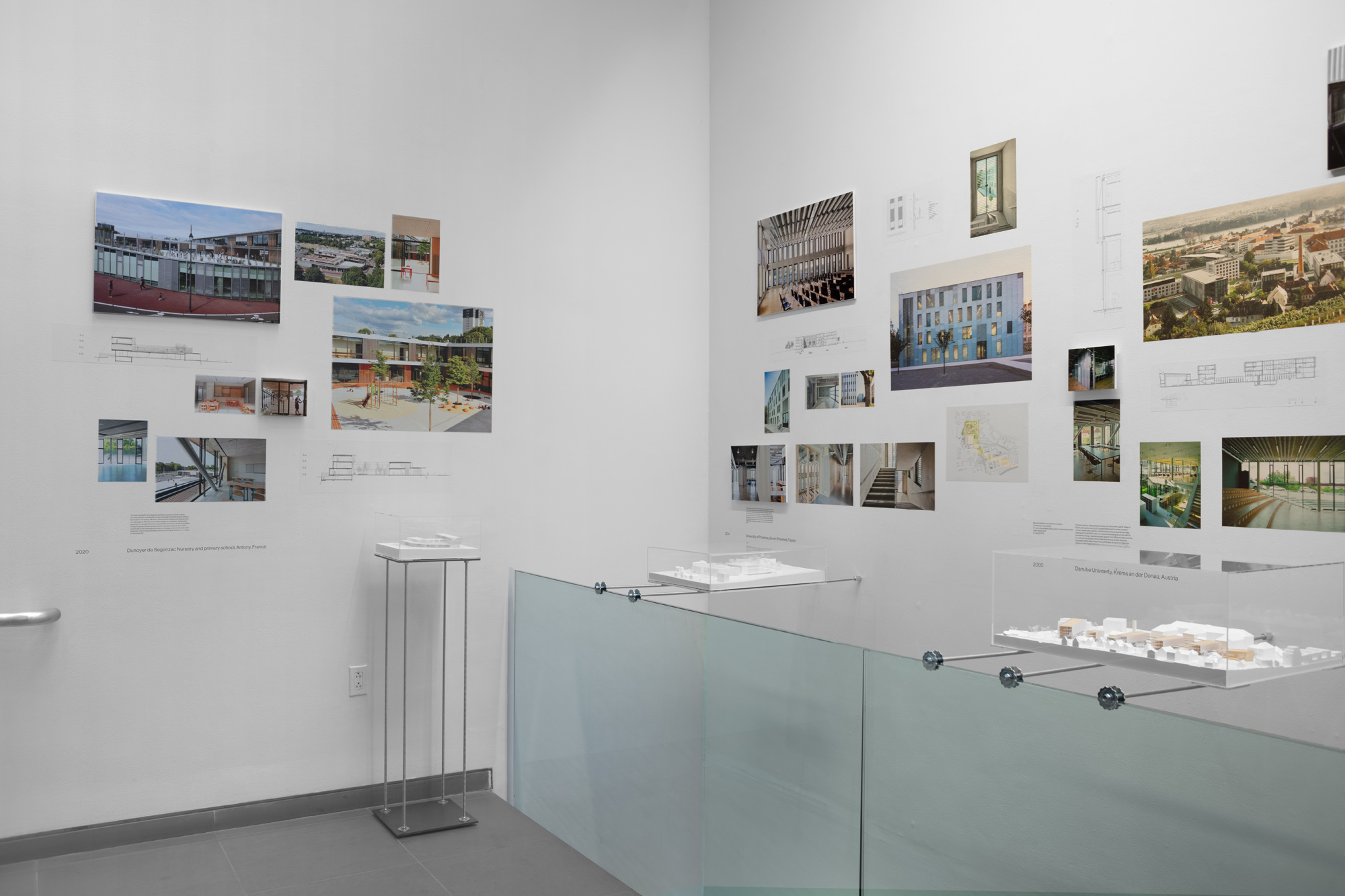
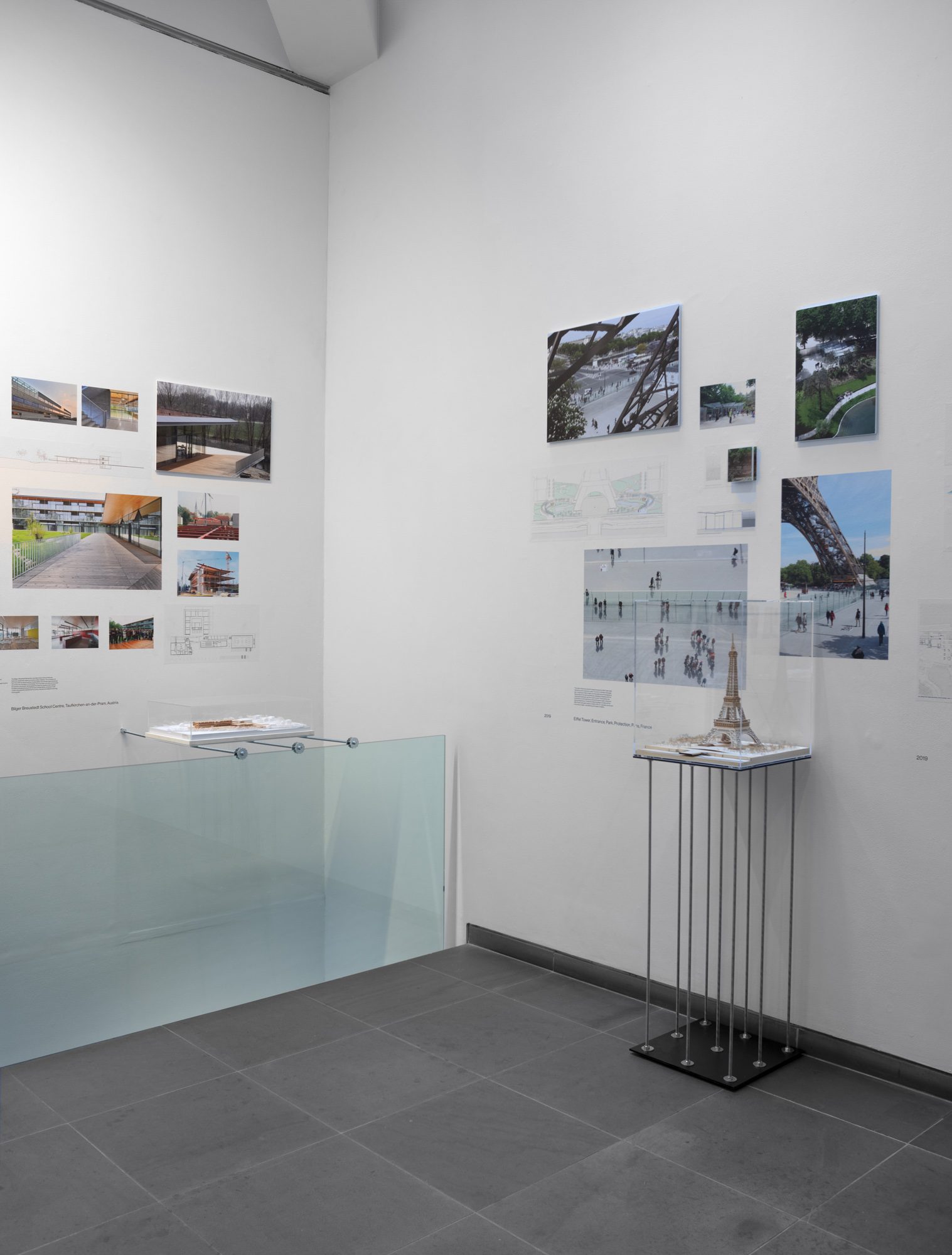
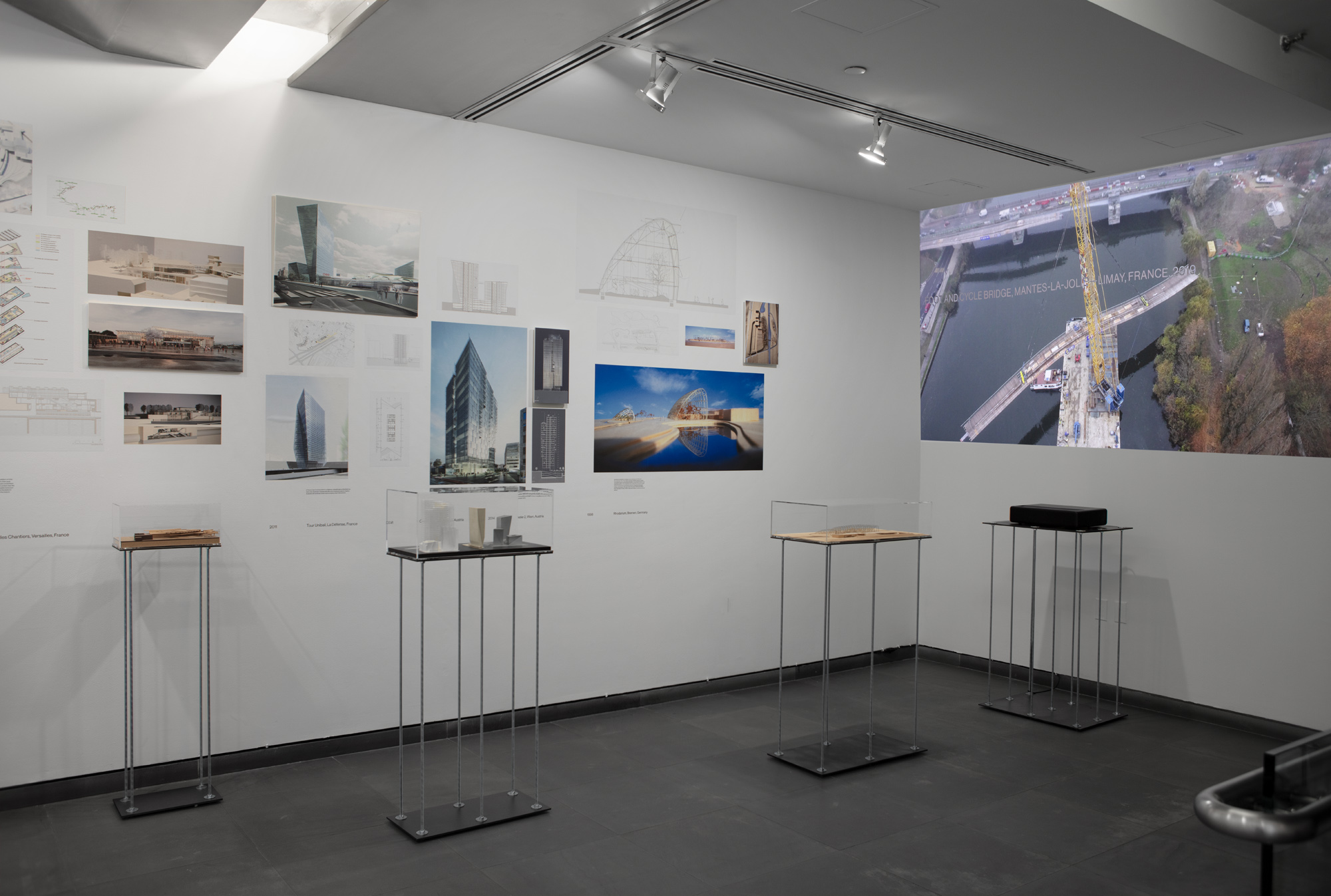
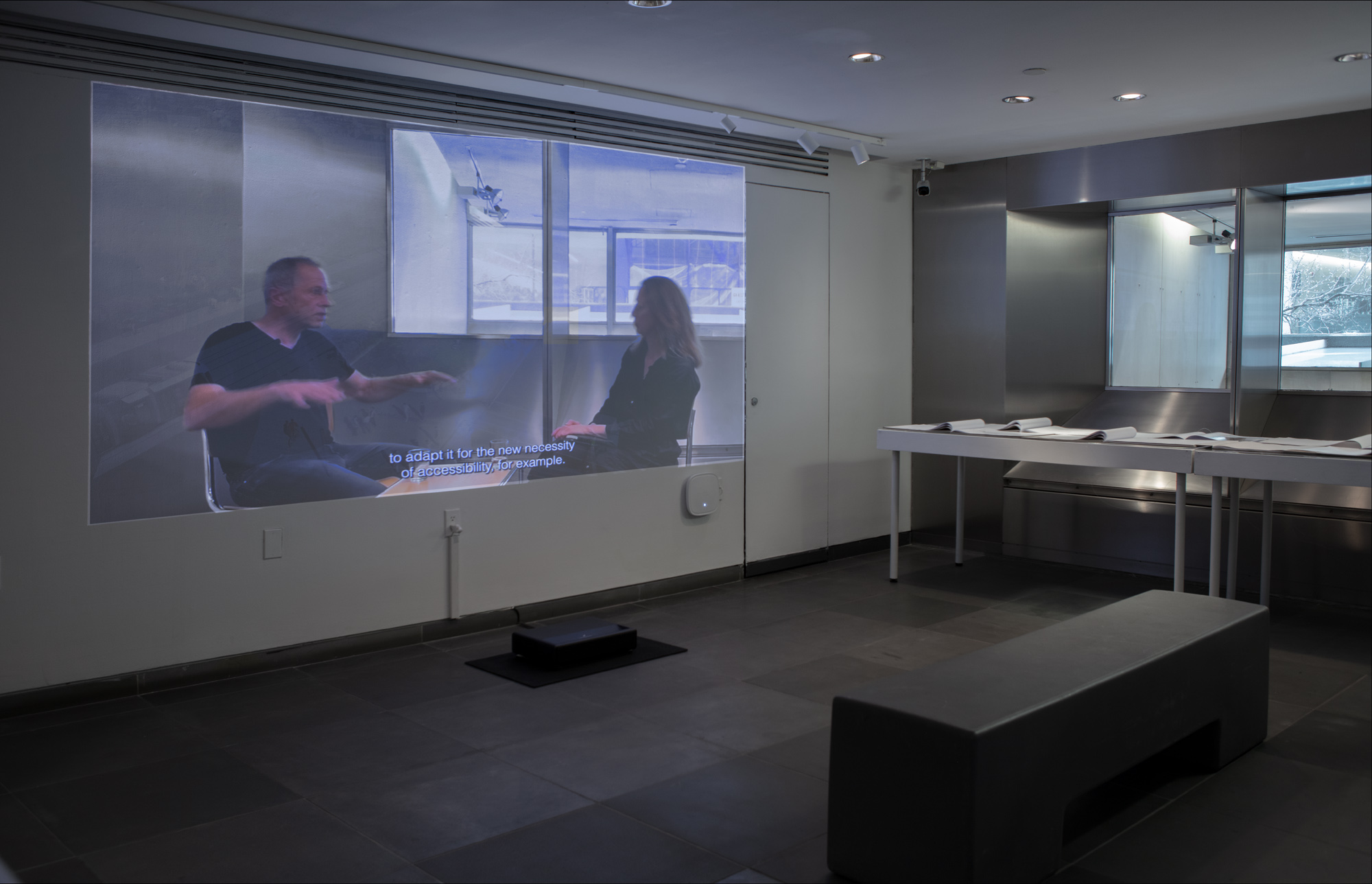
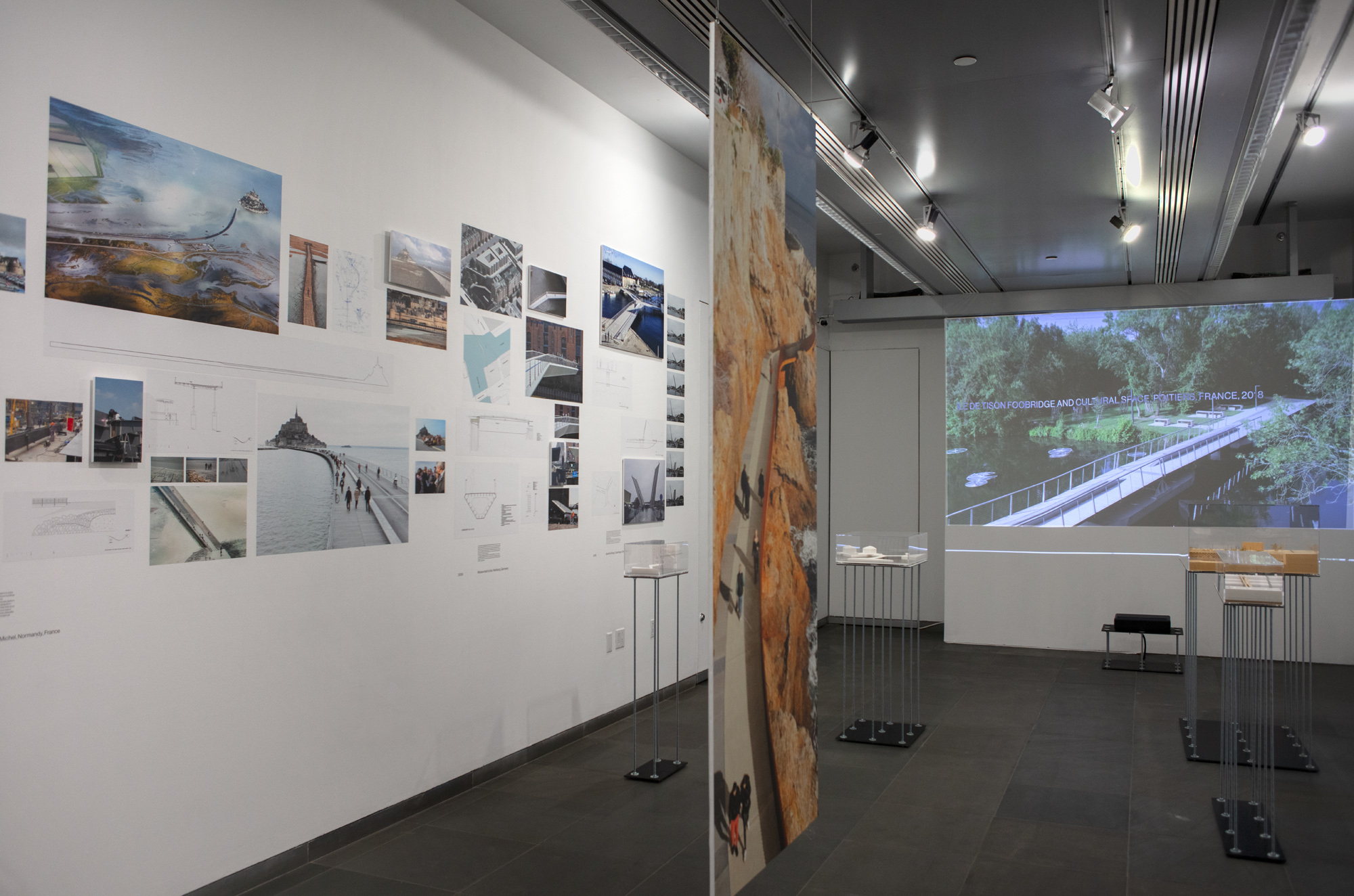
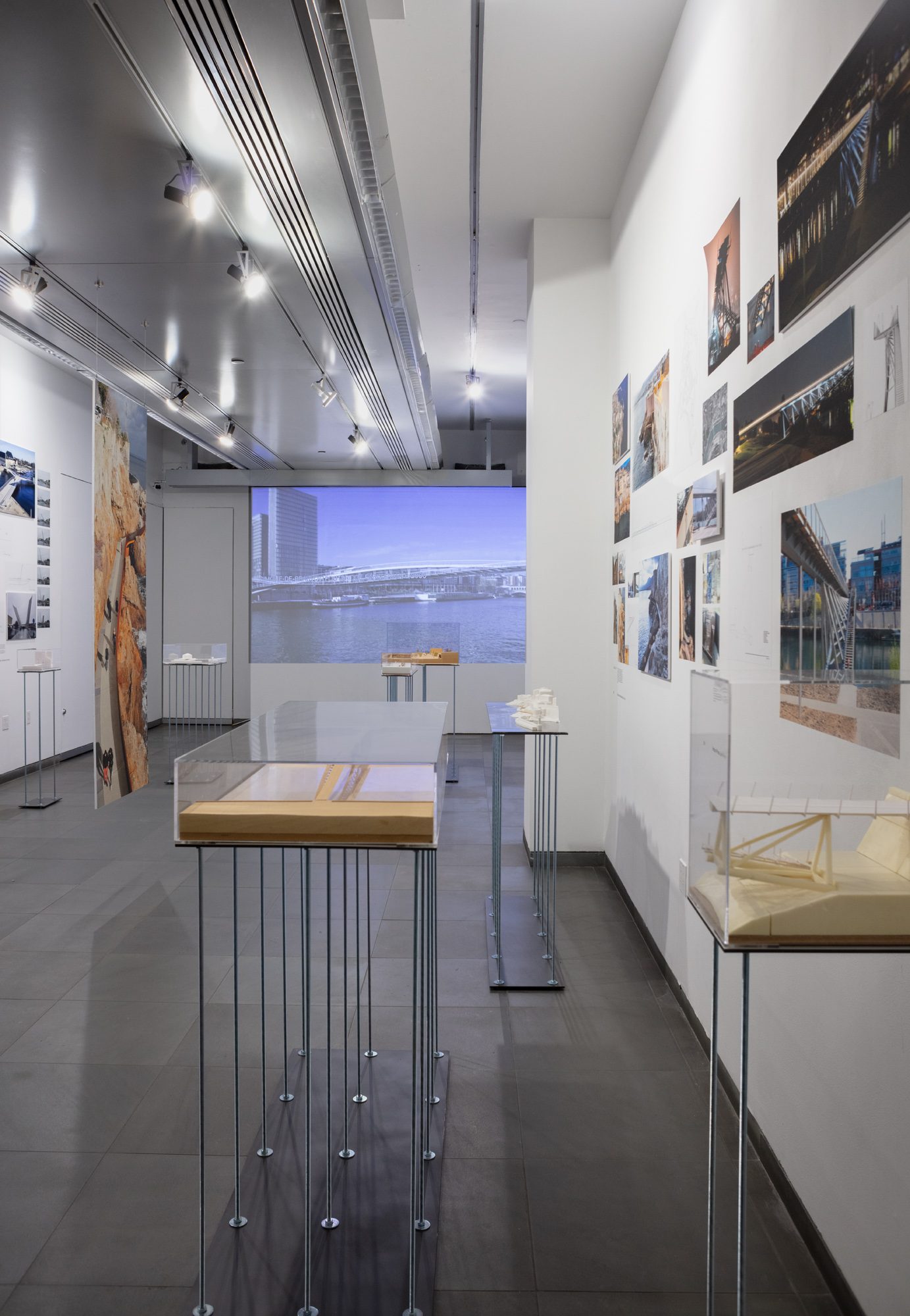
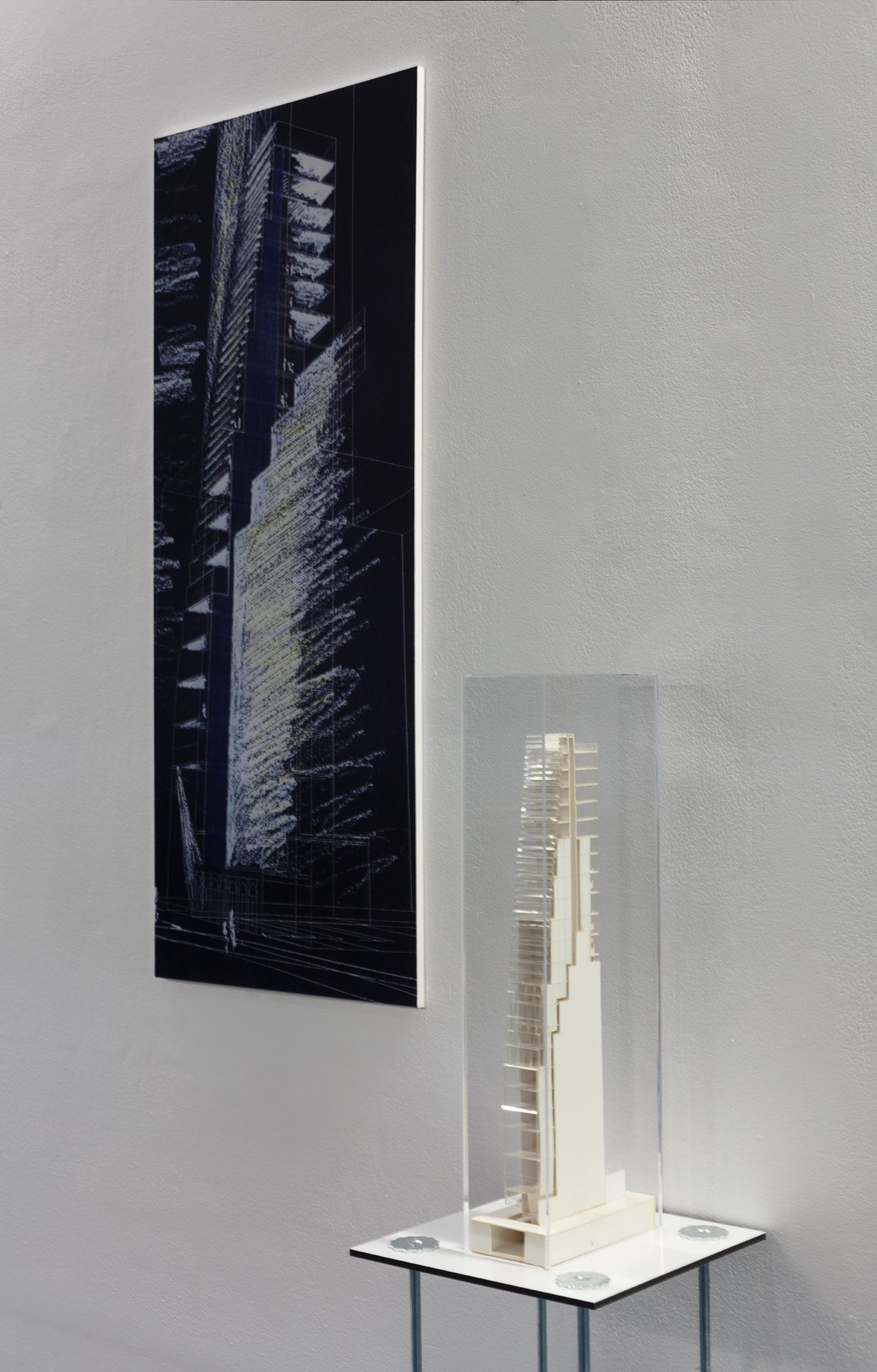
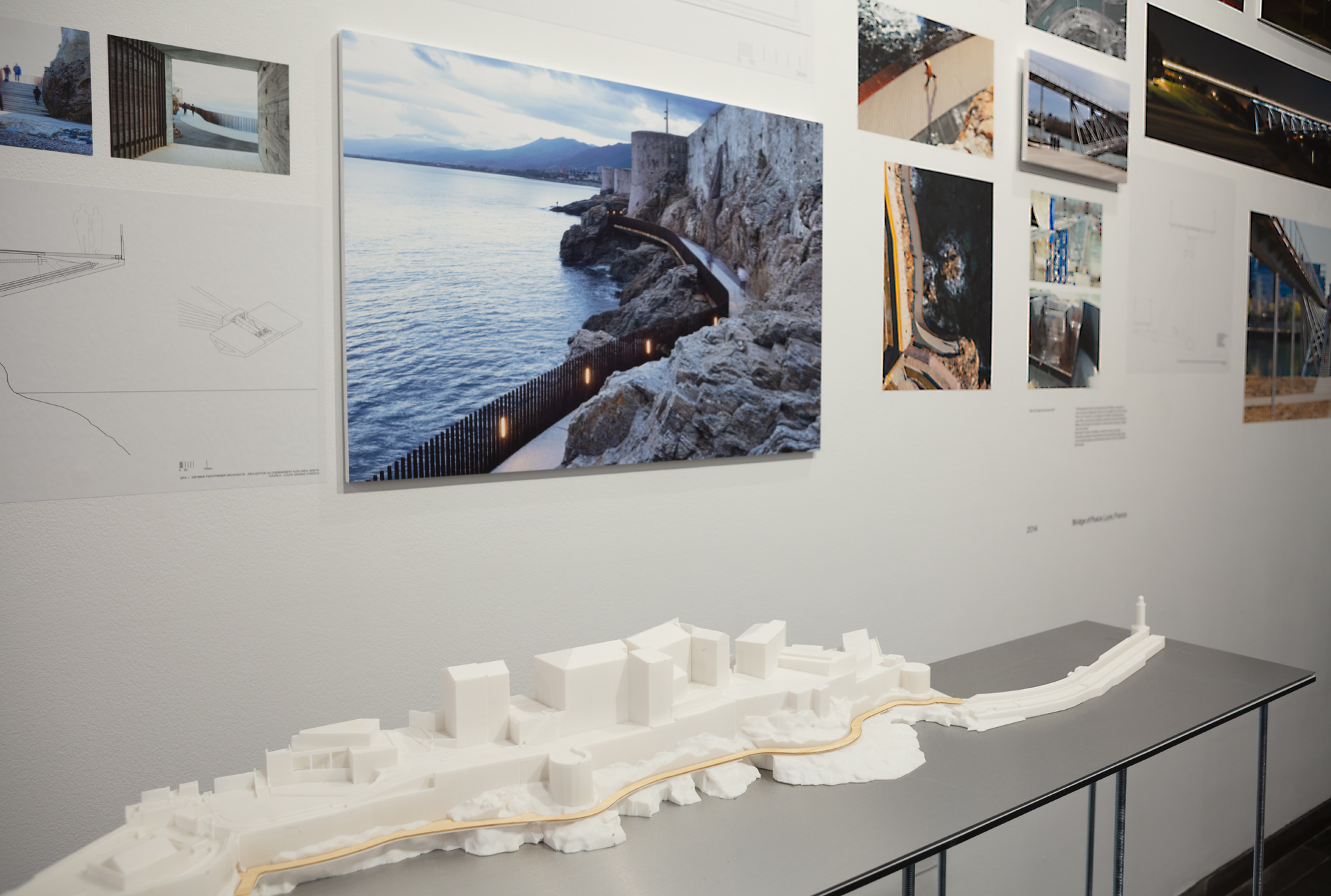
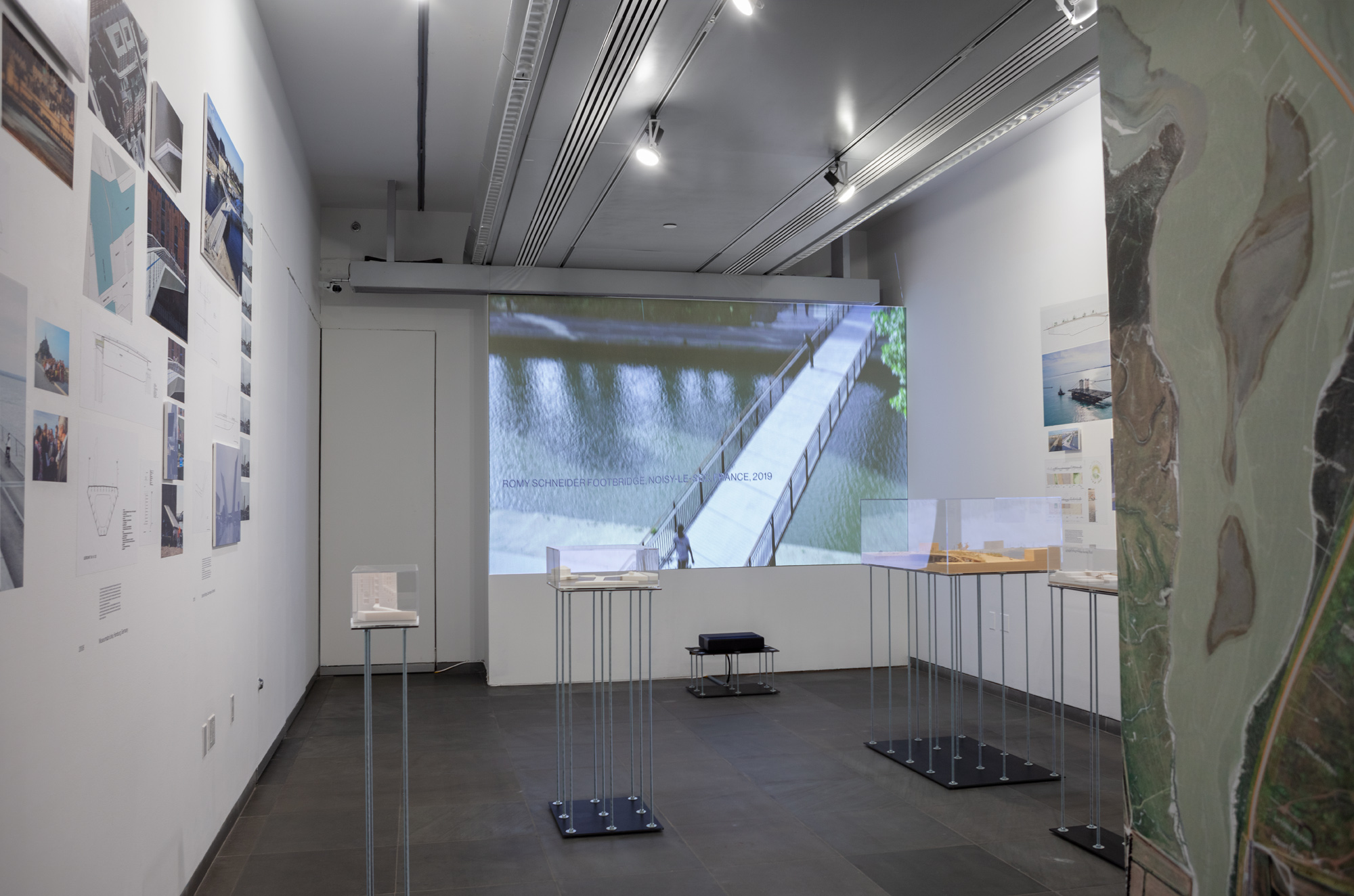
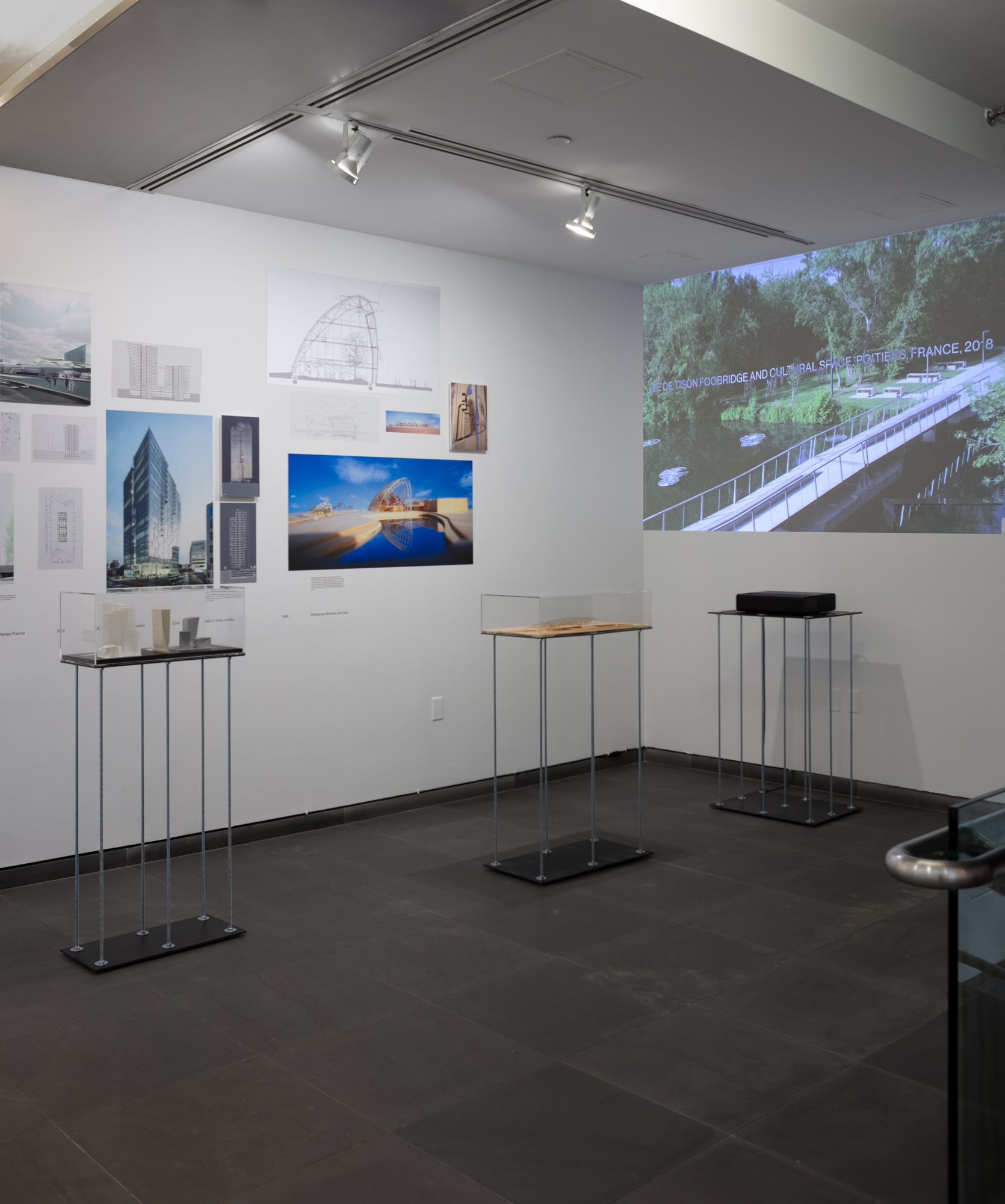
The Austrian Cultural Forum New York – housed in a landmark building designed by the Austrian architect Raimund Abraham, whose work explored architecture as a spatial, social, and intellectual proposition – is pleased to present Dietmar Feichtinger: Architecture of Connection, an exhibition dedicated to the internationally renowned Austrian architect Dietmar Feichtinger. Defined by constructive clarity, social openness, and an exceptional sensitivity to public space, Feichtinger’s practice resonates meaningfully with the Forum’s own architectural identity. By presenting a broad spectrum of projects, ranging from bridges and transportation infrastructure to educational, cultural, office, residential, and civic buildings, this survey reveals how Feichtinger’s architecture operates as a connective force between people, places, functions, and disciplines. As spaces that encourage encounter, movement, and shared experience, his architecture plays a vital role in bringing society together.
Feichtinger combines precise engineering with a sense of poetic lightness. His work is characterized by formal clarity, a restrained material language, and a heightened attention to movement, transition, and spatial experience. Whether designing pedestrian and cycle bridges, school campuses, or complex urban hubs, his work consistently prioritizes accessibility, orientation, and the quality of shared space.
Within this context, Feichtinger’s core concerns are:
- Community: Open and inviting spatial concepts foster interaction and strengthen the social fabric of the built environment.
- Purpose: Functionality, innovation, and a deep understanding of each project’s intended use are central to every design.
- Future: A long-standing commitment to sustainability, environmental responsibility, and adaptability to future challenges defines the studio’s approach.
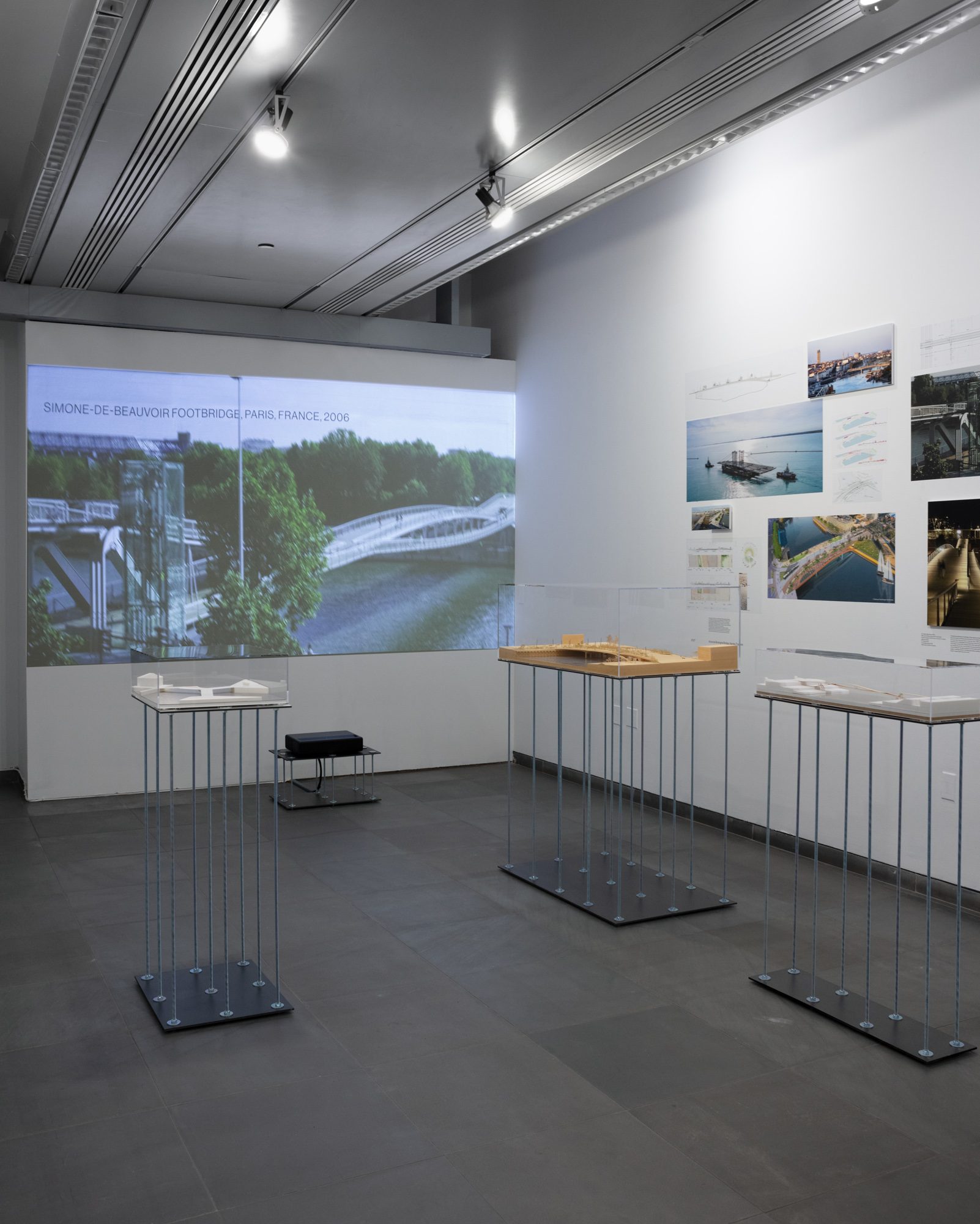
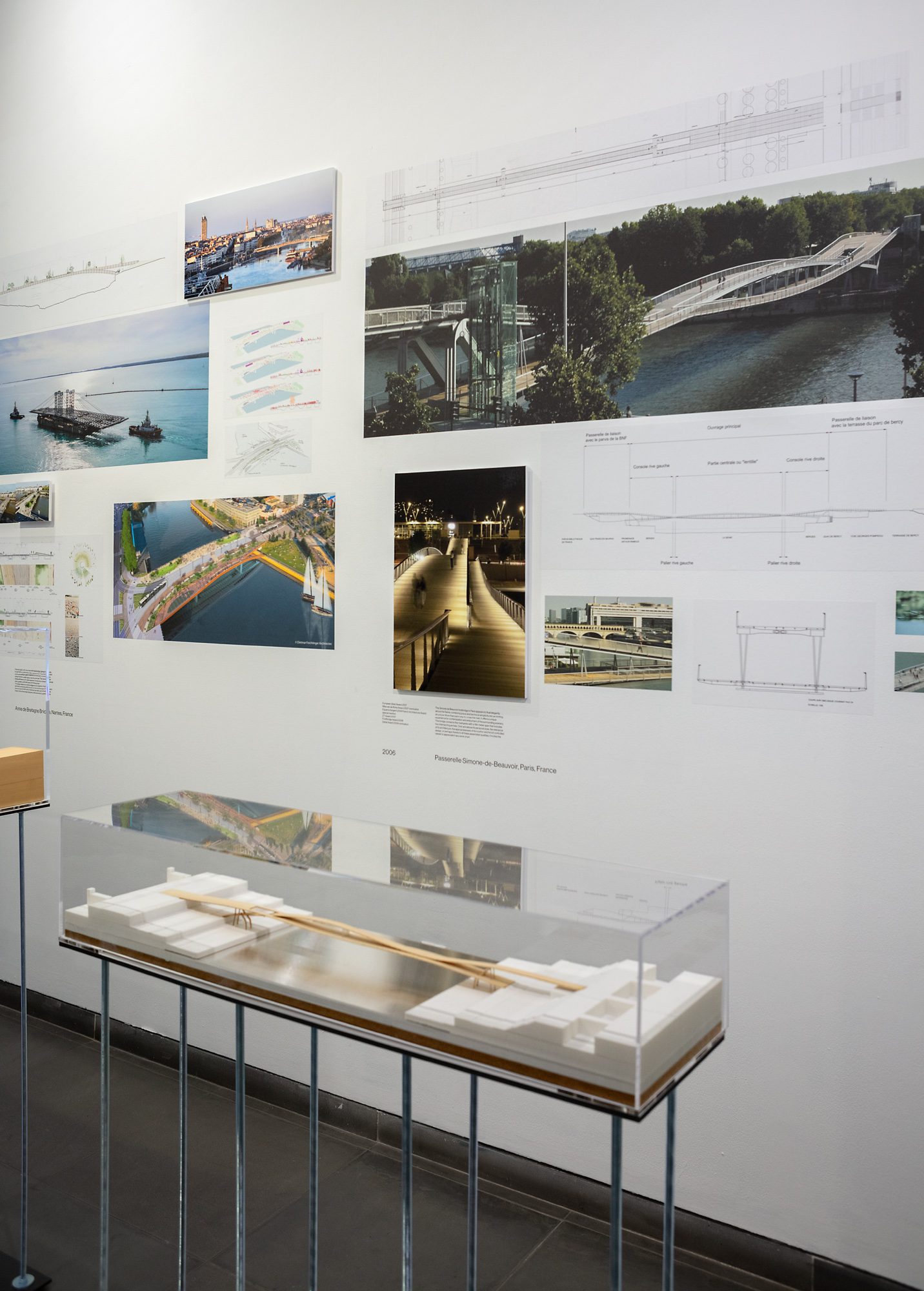
Through a selection of projects from France, Austria, Germany, Belgium, Denmark, and beyond, including iconic works such as the Simone de Beauvoir Footbridge in Paris, educational buildings like the Danube University in Krems, Austria, and complex urban infrastructures such as the Reconversion of the Lyon Perrache Interchange Center, Dietmar Feichtinger: Architecture of Connection demonstrates how Feichtinger’s work unites functional necessity, technical elegance, and social responsibility.
Rather than presenting architecture as an isolated object, the exhibition positions it as a crucial part of a living urban and social organism, inviting visitors to rethink architecture as a practice of connection, and themselves when in the process of experiencing it.
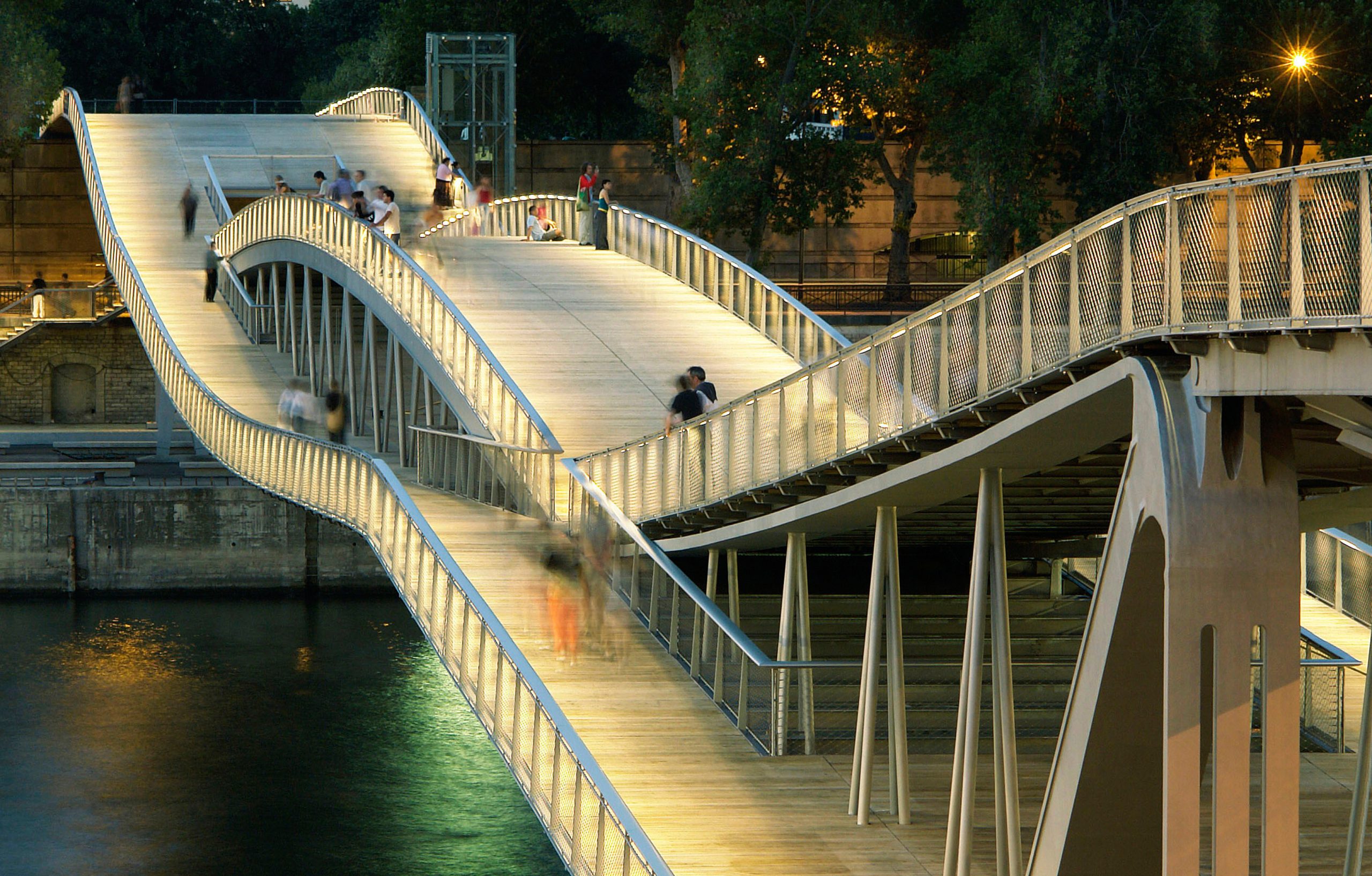
Simone de Beauvoir Footbridge, Paris, 2006 | Dietmar Feichtinger Architects
ABOUT THE ARCHITECT
Born in 1961 in Bruck an der Mur, Austria, Dietmar Feichtinger studied architecture at the Graz University of Technology, graduating with honors in 1988. In 1994, he founded Dietmar Feichtinger Architects in Paris.
Among his most prominent projects are the Voestalpine Management and Sales Center in Linz (2009), nominated for the Mies van der Rohe Award; the Lucie Aubrac School Complex in Nanterre (2012), mentioned for the Équerre d’Argent; the Kibitzenau Swimming Pool in Strasbourg (2014); and the Mont-Saint-Michel footbridge (2015), recipient of multiple awards including the Équerre d’Argent for Engineering Structures. Other significant works include the Simon de Beauvoir Bridge in Paris (2006), the headquarters of Veolia Environnement in Paris, Lille Métropole Habitat in Tourcoing (2016), Studio Molière and the French Lycée in Vienna (2017), the redevelopment of Ostend Station in Belgium (2019), the seaside promenade L’Aldilonda in Bastia, and the school Center in Gloggnitz, Austria, which received the Austrian Client Award and was nominated for the Mies van der Rohe Award in 2022. Feichtinger’s ongoing projects in Paris demonstrate his engagement with urban infrastructure, including the Villepinte, Saint-Quentin, and Versailles stations for Lines 17 and 18 of the Grand Paris Express, as well as the firm’s participation in the SEMAPA project for Austerlitz station.
Beyond his architectural practice, he has contributed extensively to education: from 1993 to 2003, he lectured at the École d’Architecture Paris-La Villette and served as a visiting professor at the University of Innsbruck and the Faculty of Architecture in Aachen. Since 2023, he has been a full professor at the Institute of Architecture and Design at TU Wien. Feichtinger’s achievements have been recognized with the Architecture Prize of the Berlin Academy of Arts in 1998, and in 2014 he was elected a permanent member of the Academy. He became an honorable member of the French Académie d’Architecture in 2026.
ACFNY
Dr. Susanne Keppler-Schlesinger: Director at the Austrian Cultural Forum New York is an Austrian career diplomat and has been working in the field of multilateral and bilateral diplomacy for more than 30 years. Her previous assignments include positions in Vienna, Paris and New York. She also served as Dep. Director of the Vienna School for International Studies/Diplomatische Akademie Wien. She holds a PhD in Musicology, French language and literature from the University of Vienna and a diploma as a concert pianist from the Vienna Conservatory of Music.
Dr. Stephanie Buhmann: Head of Visual Art, Architecture & Design at the Austrian Cultural Forum New York is a historian of art, architecture and design. She has written extensively on visual art and her essays have appeared in a variety of books, international art magazines, and newspapers. Besides curating dozens of exhibitions, she has conducted over ninety published interviews with contemporary artists. In 2013 she conceived of an ongoing Studio Conversations series, focused on women of different generations working in diverse media. Her latest monograph Frederick Kiesler: Galaxies was published in 2023 (The Green Box, Berlin). She was a contributing author and co-editor of Roma Artist Ceija Stojka: What Should I Be Afraid of?, a publication released by Hirmer Publishers and the Austrian Cultural Forum New York in January 2024.
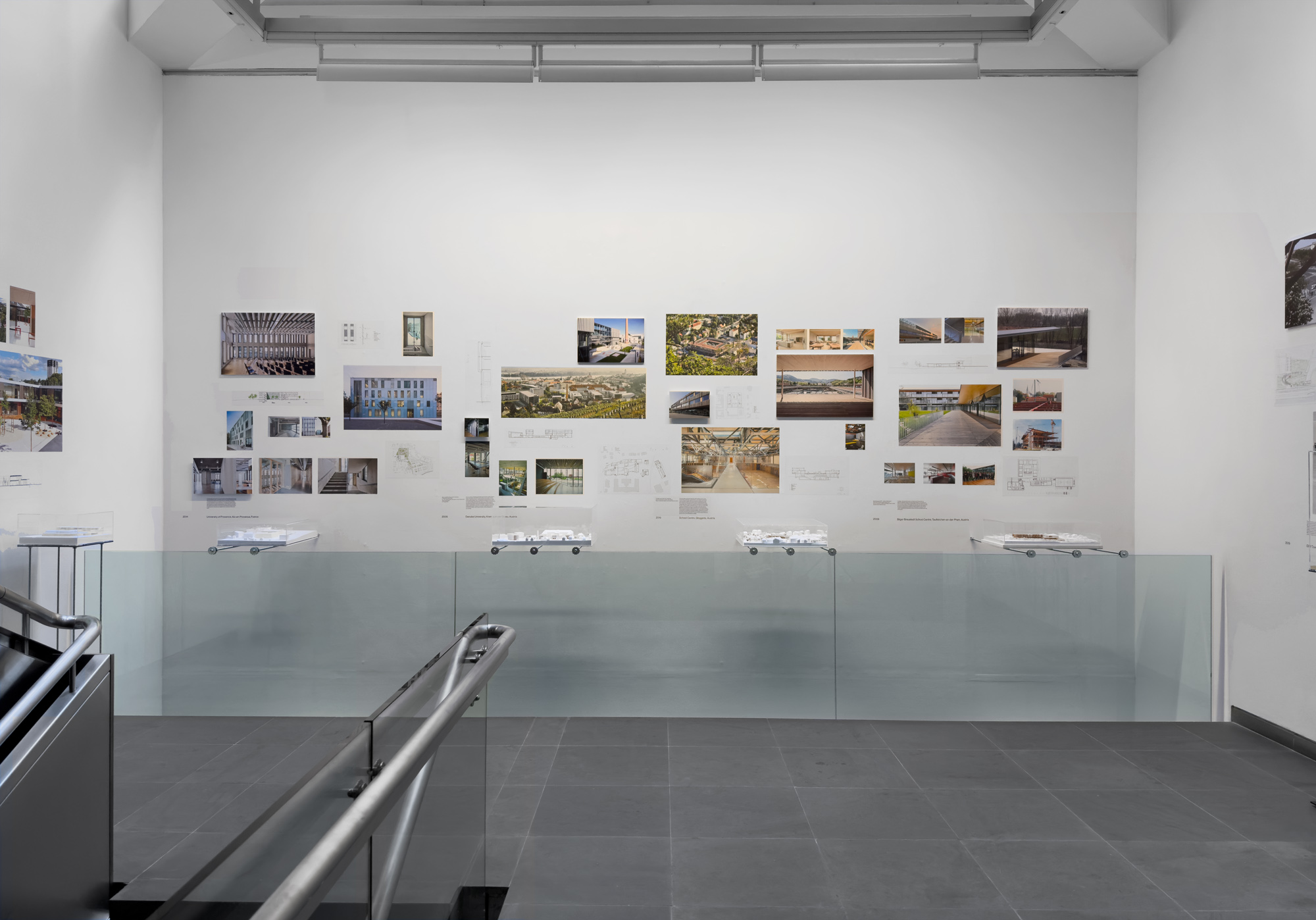
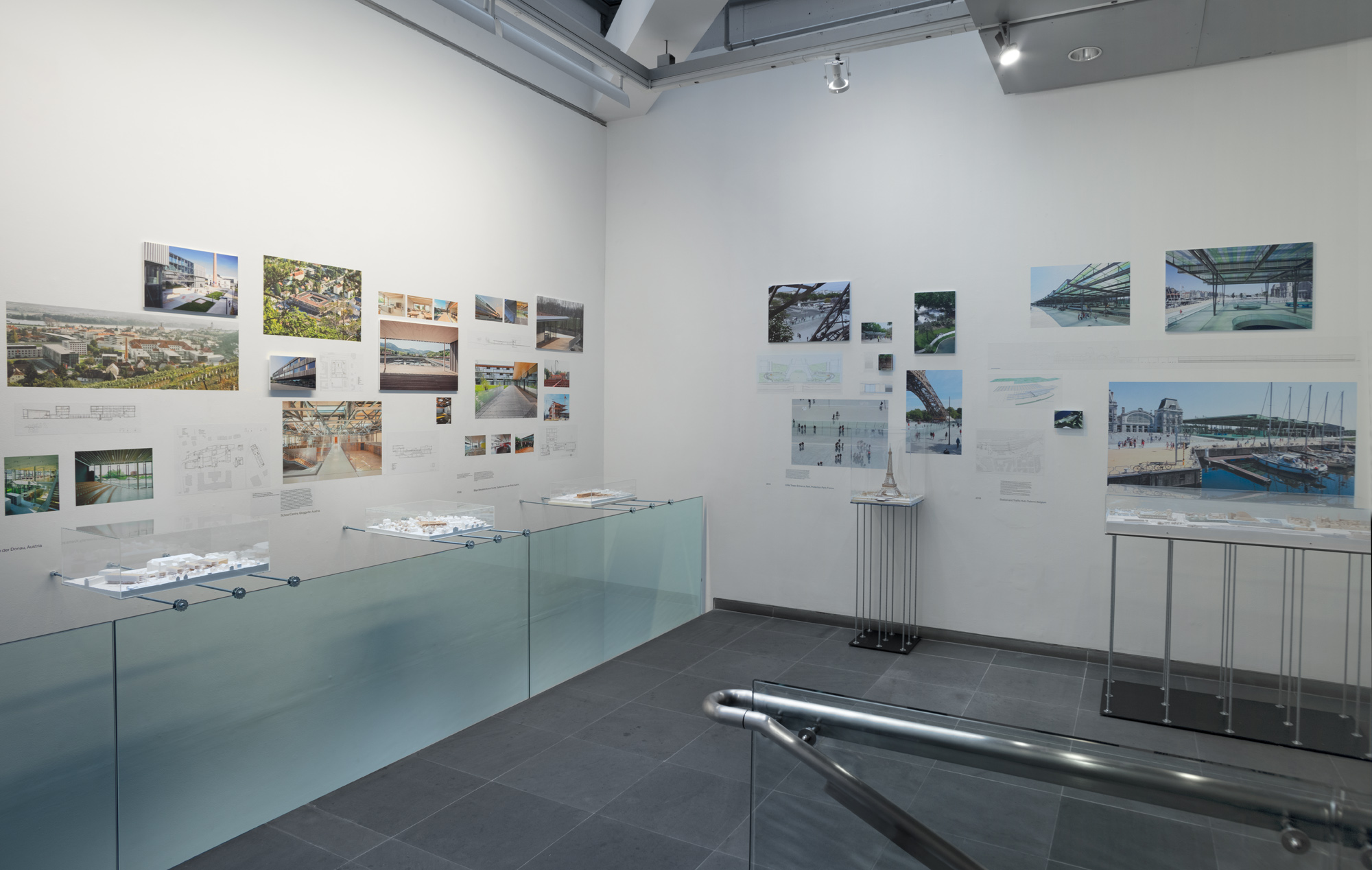
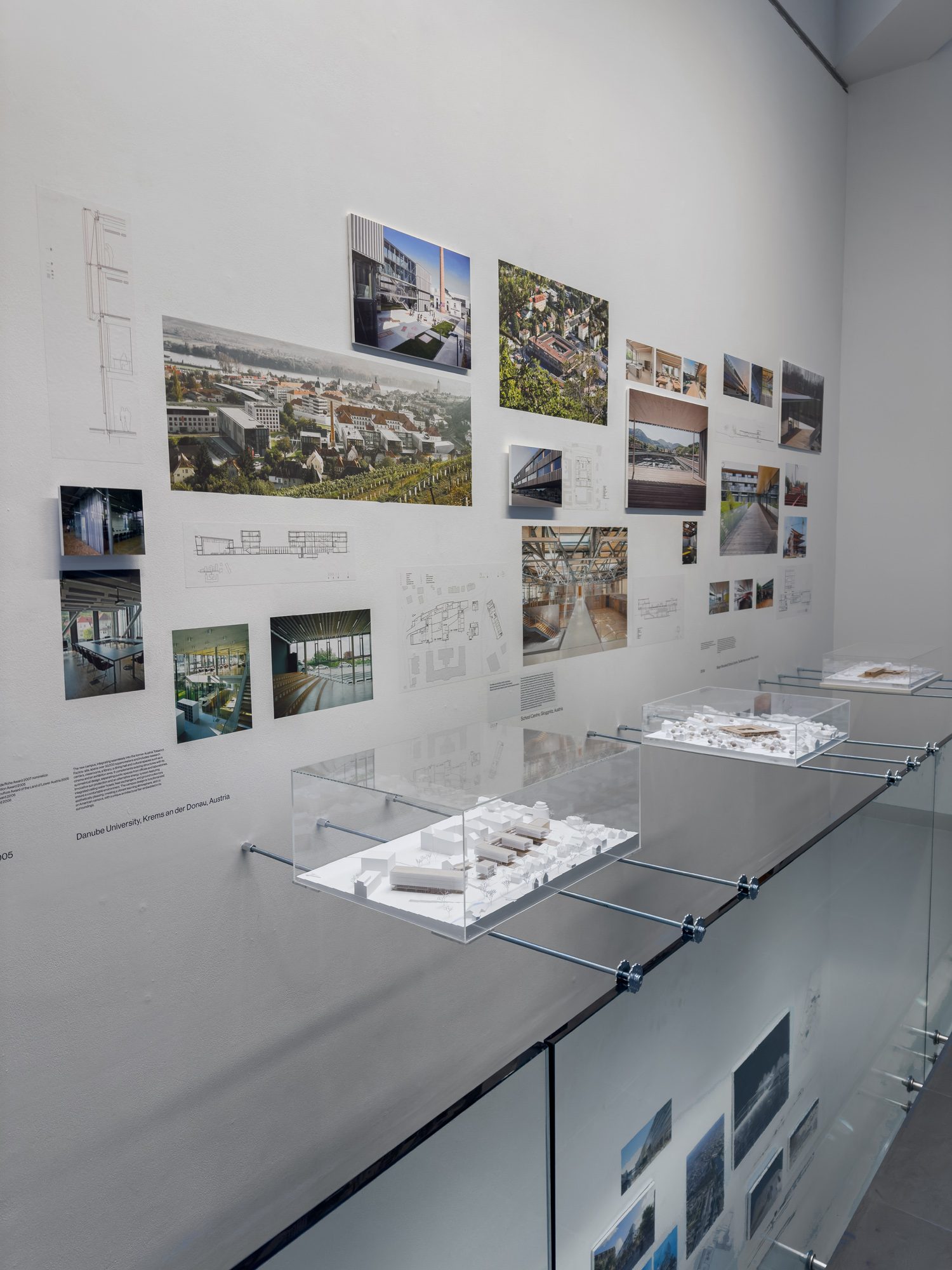
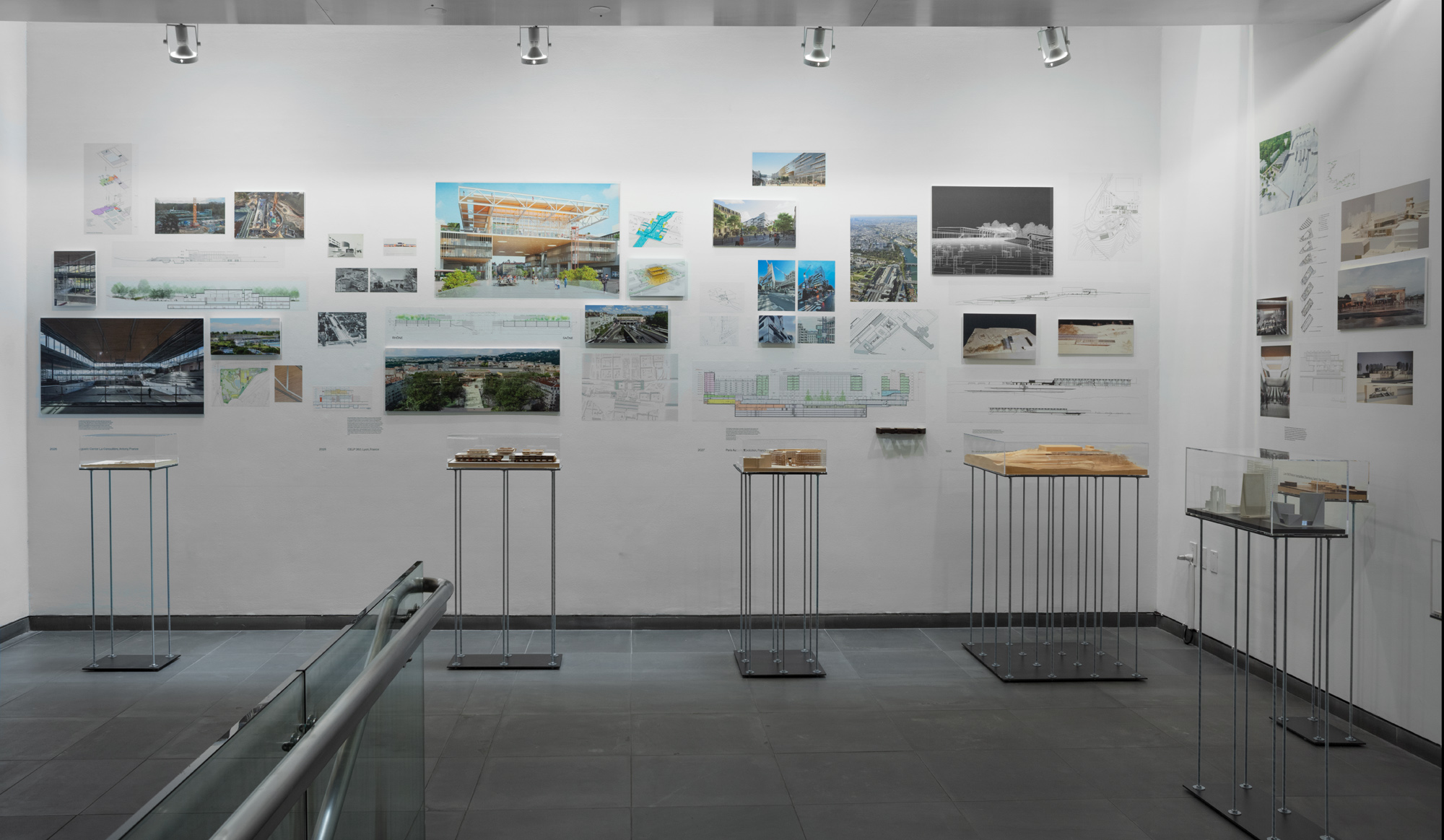
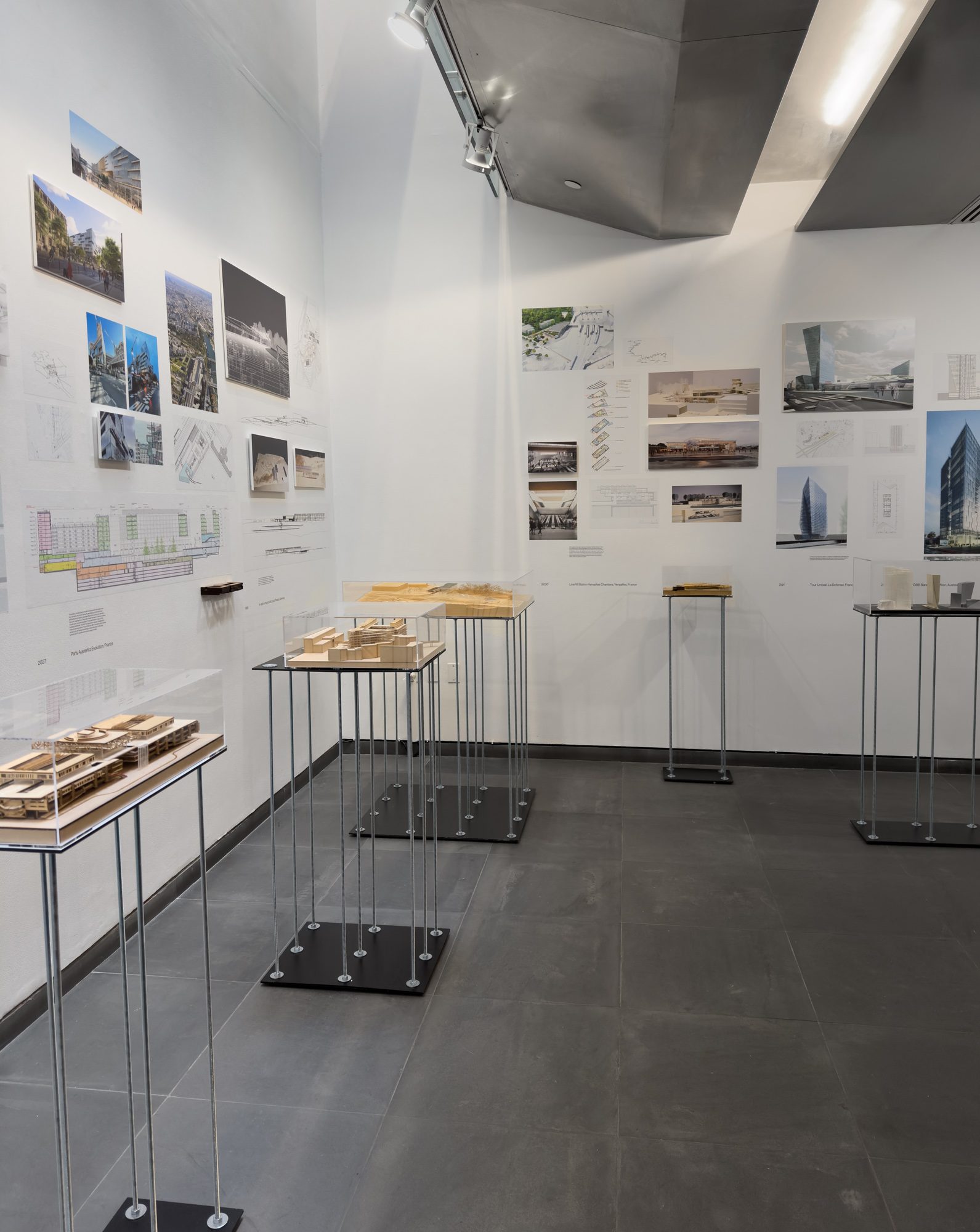
Images: Kevin Noble